-
Table of Contents
« Unlock your full potential with Cours de stéroïdes – the ultimate guide to steroids and hormonal monitoring. »
Introduction
Cours de stéroïdes, également connu sous le nom de stéroïdes et suivi hormonal, est un programme d’éducation et de suivi médical pour les personnes qui utilisent des stéroïdes anabolisants. Ce cours vise à fournir des informations sur les risques et les effets secondaires associés à l’utilisation de stéroïdes, ainsi que des conseils sur la manière de les utiliser de manière sûre et responsable. Il comprend également un suivi médical pour surveiller les effets sur la santé et aider à prévenir les complications potentielles. Ce cours est souvent recommandé pour les athlètes et les culturistes qui utilisent des stéroïdes pour améliorer leurs performances, ainsi que pour les personnes qui en ont besoin pour des raisons médicales.
The Benefits of Steroids in Hormone Replacement Therapy
Steroids have long been associated with bodybuilding and athletic performance, but they also have a significant role in hormone replacement therapy (HRT). HRT is a treatment that involves replacing hormones that are no longer being produced by the body, typically due to aging or medical conditions. Steroids, specifically anabolic steroids, are often used in HRT to help balance hormone levels and alleviate symptoms of hormone deficiency.
One of the main benefits of using steroids in HRT is their ability to increase muscle mass and strength. As we age, our bodies naturally produce less testosterone, which can lead to a decrease in muscle mass and strength. This can be especially problematic for men, as testosterone is the primary hormone responsible for muscle growth. By incorporating steroids into HRT, individuals can maintain or even increase their muscle mass and strength, leading to improved physical function and overall quality of life.
In addition to their effects on muscle mass and strength, steroids also have a positive impact on bone health. As we age, our bones become more fragile and prone to fractures, a condition known as osteoporosis. Testosterone plays a crucial role in maintaining bone density, and when levels are low, the risk of osteoporosis increases. By using steroids in HRT, individuals can help prevent bone loss and reduce their risk of fractures.
Another benefit of using steroids in HRT is their impact on mood and cognitive function. Testosterone has been linked to mood regulation and cognitive function, and low levels of this hormone can lead to symptoms such as depression, irritability, and difficulty concentrating. By supplementing with steroids, individuals can improve their mood and cognitive function, leading to a better overall sense of well-being.
Furthermore, steroids can also have a positive effect on sexual function. Testosterone is a key hormone in regulating libido and sexual function in both men and women. As hormone levels decline with age, sexual desire and function can also decrease. By incorporating steroids into HRT, individuals can improve their sexual function and satisfaction, leading to a better quality of life.
It is important to note that the use of steroids in HRT should always be done under the supervision of a medical professional. Steroids can have side effects, and their use should be carefully monitored to ensure the proper dosage and duration of treatment. Additionally, steroids should not be used as a standalone treatment for hormone deficiency, but rather as part of a comprehensive HRT plan that includes other hormones and lifestyle changes.
In conclusion, steroids have numerous benefits in hormone replacement therapy. They can help maintain or increase muscle mass and strength, improve bone health, regulate mood and cognitive function, and improve sexual function. However, their use should always be carefully monitored by a medical professional and should be part of a comprehensive HRT plan. With proper supervision and use, steroids can be a valuable tool in managing hormone deficiency and improving overall quality of life.
Understanding the Risks and Side Effects of Steroid Use in Hormone Treatment
Steroids have been a topic of controversy and debate for many years, especially when it comes to their use in hormone treatment. While they can be beneficial in certain medical conditions, they also come with a host of risks and side effects that must be carefully considered. In this article, we will delve into the world of steroid use in hormone treatment and explore the potential risks and side effects associated with it.
First and foremost, it is important to understand what steroids are and how they work. Steroids are synthetic hormones that mimic the effects of the natural hormones produced by the body. They are commonly used in hormone treatment to help regulate hormone levels and treat conditions such as low testosterone or menopause. However, they are also used by athletes and bodybuilders to enhance performance and build muscle mass.
One of the main risks associated with steroid use in hormone treatment is the potential for hormonal imbalances. When steroids are introduced into the body, they can disrupt the delicate balance of hormones, leading to a range of side effects. For example, in men, the use of steroids can cause a decrease in testosterone production, leading to a condition known as hypogonadism. This can result in a decrease in libido, erectile dysfunction, and even infertility.
In women, the use of steroids can also cause hormonal imbalances, leading to irregular menstrual cycles, changes in libido, and even masculinization. This is because steroids can convert into testosterone in the body, leading to an increase in male characteristics such as facial hair growth and a deeper voice. These changes can be permanent and irreversible, even after stopping steroid use.
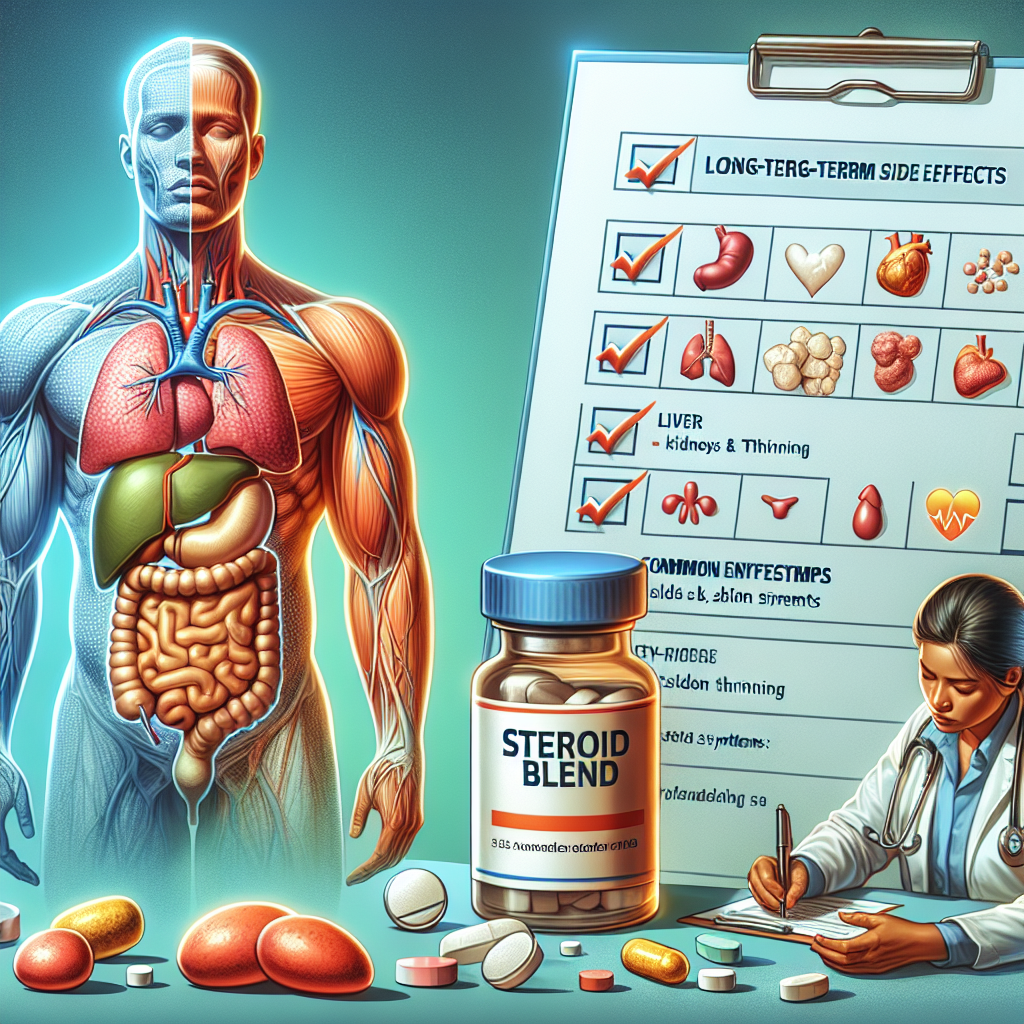
Another major risk associated with steroid use in hormone treatment is the potential for liver damage. Steroids are metabolized by the liver, and prolonged use can put a strain on this vital organ. This can lead to liver damage, including liver cancer, and even liver failure. It is important for individuals undergoing hormone treatment with steroids to have regular liver function tests to monitor for any potential damage.
In addition to hormonal imbalances and liver damage, steroid use in hormone treatment can also lead to a range of other side effects. These can include acne, hair loss, high blood pressure, and an increased risk of heart disease. Steroids can also affect mood and behavior, leading to irritability, aggression, and even depression. In some cases, steroid use can also lead to addiction, as the body becomes dependent on the synthetic hormones.
It is also important to note that the risks and side effects of steroid use in hormone treatment can vary depending on the type and dosage of steroids used. For example, oral steroids are more likely to cause liver damage, while injectable steroids can lead to infections and abscesses at the injection site. It is crucial for individuals to work closely with their healthcare provider to determine the most appropriate type and dosage of steroids for their specific condition.
In conclusion, while steroids can be beneficial in hormone treatment, they also come with a range of risks and side effects that must be carefully considered. Hormonal imbalances, liver damage, and other potential side effects can have long-lasting and even permanent effects on the body. It is essential for individuals to have a thorough understanding of these risks and to work closely with their healthcare provider to monitor for any potential complications. With proper education and monitoring, the use of steroids in hormone treatment can be a safe and effective option for managing certain medical conditions.
The Importance of Proper Monitoring and Dosage in Steroid Therapy for Hormonal Imbalance
Steroids have been a topic of controversy for many years, with their use being heavily debated in the medical community. While they can be beneficial in treating certain conditions, they also come with potential risks and side effects. This is especially true when it comes to using steroids for hormonal imbalance. In this article, we will discuss the importance of proper monitoring and dosage in steroid therapy for hormonal imbalance.
First and foremost, it is crucial to understand what hormonal imbalance is and how steroids can help in its treatment. Hormonal imbalance occurs when there is an abnormality in the production or regulation of hormones in the body. This can lead to a variety of symptoms such as irregular periods, weight gain, mood swings, and fertility issues. Steroids, specifically corticosteroids, can be prescribed to help regulate hormone levels and alleviate these symptoms.
However, the use of steroids for hormonal imbalance requires careful monitoring and dosage. This is because steroids can have significant effects on the body, both positive and negative. When used correctly, they can provide relief and improve quality of life. But when used improperly, they can cause serious harm.
One of the main concerns with steroid therapy is the potential for side effects. These can range from mild to severe and can include weight gain, acne, mood changes, and even organ damage. This is why it is crucial to have proper monitoring in place when using steroids for hormonal imbalance. Regular check-ups and blood tests can help ensure that the dosage is appropriate and that any potential side effects are caught early on.
Another reason why proper monitoring is essential is to prevent overuse or misuse of steroids. Steroids should only be used for a specific period and in a specific dosage as prescribed by a doctor. Overuse or misuse can lead to dependency and withdrawal symptoms when the medication is stopped. This can also cause a rebound effect, where the symptoms of hormonal imbalance may worsen once the steroids are discontinued.
In addition to monitoring, it is also crucial to follow the prescribed dosage carefully. Steroids should never be taken in higher doses or for longer periods than recommended by a doctor. This can increase the risk of side effects and can also lead to long-term health consequences. It is also essential to follow the tapering schedule provided by the doctor when stopping steroid therapy. Suddenly stopping steroids can cause a shock to the body and can lead to withdrawal symptoms.
Proper monitoring and dosage are also crucial for maintaining hormonal balance in the long term. Steroids should not be seen as a permanent solution for hormonal imbalance. They are meant to provide temporary relief while the underlying cause of the imbalance is addressed. This is why it is essential to have regular check-ups and blood tests to monitor hormone levels and adjust the dosage accordingly.
In conclusion, steroids can be a valuable tool in treating hormonal imbalance. However, their use requires proper monitoring and dosage to ensure their effectiveness and safety. Regular check-ups and blood tests are crucial in catching any potential side effects and adjusting the dosage as needed. It is also essential to follow the prescribed dosage carefully and not to rely on steroids as a long-term solution. With proper monitoring and dosage, steroids can provide relief and improve the quality of life for those suffering from hormonal imbalance.
Q&A
1) Qu’est-ce qu’un cours de stéroïdes ?
Un cours de stéroïdes est un programme d’utilisation de stéroïdes anabolisants dans le but d’améliorer les performances physiques et sportives. Il peut être prescrit par un médecin pour des raisons médicales ou utilisé de manière illégale par des athlètes pour augmenter leur force et leur masse musculaire.
2) Quels sont les risques associés à la prise de stéroïdes ?
La prise de stéroïdes peut entraîner de nombreux effets secondaires, tels que des problèmes cardiovasculaires, des troubles hormonaux, des dommages au foie et aux reins, ainsi que des changements d’humeur et de comportement. Elle peut également causer une dépendance et des problèmes de santé à long terme.
3) Qu’est-ce que le suivi hormonal dans un cours de stéroïdes ?
Le suivi hormonal est une étape importante dans un cours de stéroïdes, qui consiste à surveiller les niveaux d’hormones dans le corps et à ajuster la dose de stéroïdes en conséquence. Cela permet de minimiser les risques pour la santé et de s’assurer que le corps ne subit pas de déséquilibre hormonal. Le suivi hormonal est généralement effectué par un médecin spécialisé dans les traitements hormonaux.