-
Table of Contents
« Transformez votre corps avec des stéroïdes et évitez les aliments ultra-transformés pour une récupération optimale. »
Introduction
Cours de stéroïdes pour l’augmentation de la masse musculaire est un sujet controversé dans le monde du fitness et de la musculation. Alors que certains athlètes et culturistes les utilisent pour obtenir des résultats rapides, il est important de comprendre les risques et les effets secondaires associés à ces substances. De plus, il est essentiel de prendre en compte l’impact des aliments ultra-transformés sur la récupération musculaire lors de l’utilisation de stéroïdes. Dans ce cours, nous allons explorer en détail ces sujets et fournir des informations précieuses pour ceux qui envisagent d’utiliser des stéroïdes pour augmenter leur masse musculaire.
The Dangers of Consuming Ultra-Processed Foods While Taking Steroids for Muscle Gain
Steroids have long been a controversial topic in the world of fitness and bodybuilding. While some people swear by their ability to increase muscle mass and improve athletic performance, others warn of the potential dangers and side effects. One aspect that is often overlooked when discussing the use of steroids is the impact of diet, specifically the consumption of ultra-processed foods, on the body’s ability to recover from steroid use.
Ultra-processed foods, also known as UPFs, are defined as foods that are heavily processed and contain a high amount of additives, preservatives, and artificial ingredients. These foods are often high in calories, unhealthy fats, and added sugars, and are typically low in essential nutrients. Examples of UPFs include fast food, frozen meals, packaged snacks, and sugary drinks.
The consumption of UPFs has been on the rise in recent years, with studies showing that they make up a significant portion of the average person’s diet. In fact, a study published in the journal BMJ Open found that UPFs accounted for over 50% of the total daily energy intake in the United States. This trend is concerning, as UPFs have been linked to various health issues, including obesity, heart disease, and type 2 diabetes.
But what does this have to do with the use of steroids for muscle gain? Well, it turns out that UPFs can have a significant impact on the body’s ability to recover from the effects of steroids. Let’s take a closer look at how these highly processed foods can hinder the recovery process.
First and foremost, UPFs are typically high in unhealthy fats and added sugars. These ingredients can lead to inflammation in the body, which can impede the healing process. Steroids, on the other hand, work by reducing inflammation and promoting tissue repair. However, when the body is already inflamed due to the consumption of UPFs, the steroids may not be as effective in promoting recovery.
Moreover, UPFs are often lacking in essential nutrients that are crucial for muscle recovery. When the body is under the stress of steroid use, it requires an adequate intake of vitamins, minerals, and protein to repair and build muscle tissue. However, UPFs are typically low in these nutrients and can leave the body deficient, making it harder for the body to recover from the effects of steroids.
Another issue with UPFs is their impact on gut health. These highly processed foods are often low in fiber and can disrupt the balance of good bacteria in the gut. This can lead to digestive issues, such as bloating, constipation, and diarrhea, which can further hinder the body’s ability to absorb nutrients and promote recovery.
Furthermore, UPFs can also have a negative impact on hormone levels in the body. Steroids work by mimicking the effects of testosterone, a hormone that is essential for muscle growth. However, the consumption of UPFs can disrupt the body’s natural hormone balance, making it harder for the steroids to work effectively.
In addition to these physical effects, UPFs can also have a psychological impact on those using steroids for muscle gain. These highly processed foods are often addictive and can lead to cravings and binge-eating behaviors. This can be detrimental to those trying to maintain a strict diet while using steroids, as it can lead to weight gain and hinder progress towards their fitness goals.
In conclusion, the consumption of ultra-processed foods while taking steroids for muscle gain can have a significant impact on the body’s ability to recover from the effects of steroids. These highly processed foods can lead to inflammation, nutrient deficiencies, gut issues, hormone imbalances, and psychological effects, all of which can hinder the recovery process. Therefore, it is crucial for those using steroids to pay attention to their diet and prioritize whole, nutrient-dense foods to support their body’s recovery and overall health.
Maximizing Muscle Recovery: How Steroids Can Affect Your Body’s Healing Process
Steroids have long been a controversial topic in the world of bodybuilding and fitness. While some athletes swear by their ability to enhance muscle growth and performance, others caution against their potential side effects and health risks. One aspect that is often overlooked when discussing steroids is their impact on the body’s healing process and muscle recovery. In this article, we will explore the relationship between steroids and muscle recovery, specifically focusing on the effects of ultra-processed foods on the body.
First, it is important to understand how steroids work in the body. Steroids are synthetic hormones that mimic the effects of testosterone, the primary male sex hormone. They are commonly used to treat medical conditions such as delayed puberty and muscle wasting diseases. However, they are also used by athletes and bodybuilders to increase muscle mass and improve performance.
One of the main ways steroids affect muscle recovery is by increasing protein synthesis. This means that the body is able to build and repair muscle tissue at a faster rate. While this may seem like a positive effect, it can also have negative consequences. When the body is constantly in a state of heightened protein synthesis, it can become dependent on steroids to maintain muscle growth. This can lead to a decrease in natural testosterone production and potentially cause long-term damage to the body’s hormonal balance.
Another factor to consider is the impact of steroids on the body’s immune system. Steroids have been shown to suppress the immune system, making the body more susceptible to infections and illnesses. This can have a significant impact on muscle recovery as the body needs a strong immune system to fight off any potential infections or inflammation that may occur during the healing process.
Now, let’s delve into the role of ultra-processed foods in this equation. Ultra-processed foods are defined as foods that are heavily processed and contain high levels of additives, preservatives, and artificial ingredients. These foods are often high in calories, unhealthy fats, and added sugars, and are low in essential nutrients. They are also known to cause inflammation in the body, which can hinder the healing process.
When steroids are combined with a diet high in ultra-processed foods, the effects on muscle recovery can be amplified. The body’s ability to heal and repair damaged muscle tissue is compromised due to the lack of essential nutrients and the presence of inflammatory substances. This can lead to longer recovery times and potentially increase the risk of injury.
Moreover, ultra-processed foods can also have a negative impact on the body’s hormonal balance. These foods are often high in estrogen-mimicking compounds, which can disrupt the body’s natural hormone production. This can further exacerbate the negative effects of steroids on the body’s hormonal balance and potentially lead to long-term health issues.
So, what can be done to mitigate the negative effects of steroids and ultra-processed foods on muscle recovery? The first step is to limit or avoid the use of steroids altogether. While they may provide short-term gains, the potential long-term consequences are not worth the risk. Instead, focus on a balanced diet that includes whole, nutrient-dense foods such as lean proteins, complex carbohydrates, and healthy fats.
In addition, incorporating anti-inflammatory foods into your diet can help counteract the effects of ultra-processed foods. These include foods rich in omega-3 fatty acids, such as salmon and chia seeds, as well as antioxidant-rich fruits and vegetables.
In conclusion, while steroids may seem like a quick fix for muscle growth and performance, their impact on the body’s healing process and muscle recovery should not be overlooked. When combined with a diet high in ultra-processed foods, the negative effects can be amplified, potentially leading to long-term health issues. Instead, focus on a balanced diet and proper training techniques to achieve sustainable muscle growth and optimal recovery.
Balancing Nutrition and Steroid Use for Optimal Muscle Growth: Tips and Tricks
Cours de stéroïdes pour l’augmentation de la masse musculaire : aliments ultra-transformés, impact sur récupération.
L’utilisation de stéroïdes pour augmenter la masse musculaire est un sujet controversé dans le monde du fitness et de la musculation. Bien que certains athlètes et culturistes les utilisent pour obtenir des résultats rapides, il est important de comprendre les risques et les effets secondaires associés à ces substances. De plus, il est essentiel de prendre en compte l’impact de l’alimentation sur la récupération et les résultats globaux lors de l’utilisation de stéroïdes.
Tout d’abord, il est important de comprendre ce qu’est un stéroïde et comment il fonctionne dans le corps. Les stéroïdes sont des hormones synthétiques qui imitent les effets de la testostérone, l’hormone responsable de la croissance musculaire. Ils sont souvent utilisés pour traiter des conditions médicales telles que l’hypogonadisme, mais sont également utilisés illégalement pour améliorer les performances sportives et la croissance musculaire.
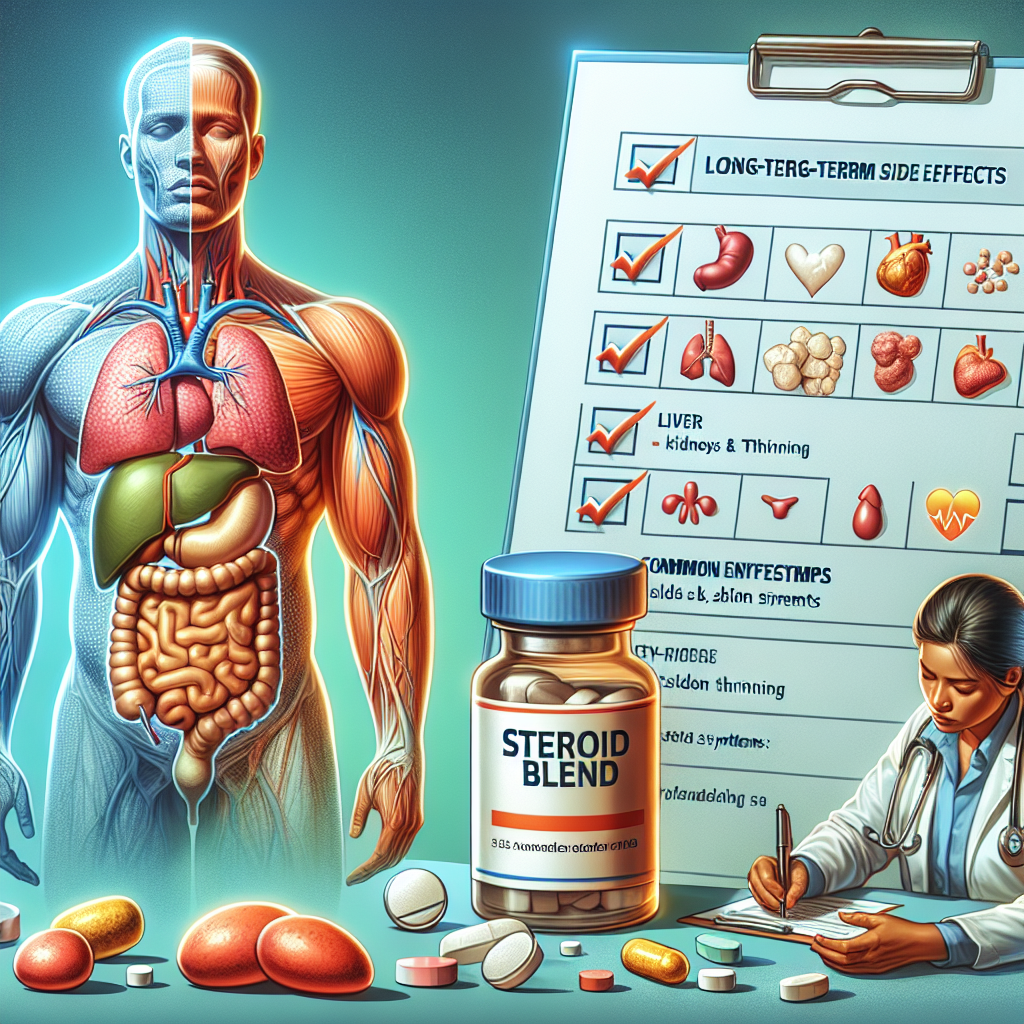
L’un des principaux risques associés à l’utilisation de stéroïdes est leur impact sur la santé. Les stéroïdes peuvent causer des dommages au foie, aux reins et au cœur, ainsi que des problèmes de peau et des troubles hormonaux. De plus, ils peuvent également entraîner une dépendance et des problèmes psychologiques tels que l’agressivité et la dépression. Il est donc essentiel de consulter un médecin avant de prendre des stéroïdes et de suivre les instructions de dosage recommandées.
En ce qui concerne l’alimentation, il est important de comprendre que les stéroïdes ne sont pas une solution miracle pour la croissance musculaire. Ils doivent être combinés avec un régime alimentaire et un programme d’entraînement appropriés pour obtenir des résultats optimaux. Cela signifie qu’il est essentiel de consommer des aliments riches en nutriments pour soutenir la croissance musculaire et la récupération.
Cependant, il y a un aspect de l’alimentation qui peut avoir un impact négatif sur la récupération lors de l’utilisation de stéroïdes : les aliments ultra-transformés. Ces aliments sont souvent riches en calories, en sucre et en gras, mais pauvres en nutriments essentiels tels que les protéines, les vitamines et les minéraux. Ils peuvent également contenir des additifs et des conservateurs qui peuvent être nocifs pour la santé.
Lorsque vous utilisez des stéroïdes, votre corps a besoin de nutriments de haute qualité pour soutenir la croissance musculaire et la récupération. Les aliments ultra-transformés ne fournissent pas ces nutriments et peuvent même causer des dommages à votre corps. De plus, ils peuvent entraîner une prise de poids excessive, ce qui peut nuire à vos performances sportives et à votre santé globale.
Au lieu de cela, il est recommandé de se concentrer sur une alimentation riche en protéines, en glucides complexes et en graisses saines. Les protéines sont essentielles pour la croissance musculaire et la récupération, tandis que les glucides fournissent de l’énergie pour les entraînements intenses. Les graisses saines, telles que les acides gras oméga-3, sont importantes pour la santé générale et peuvent également aider à réduire l’inflammation causée par l’utilisation de stéroïdes.
Il est également important de consommer suffisamment de calories pour soutenir la croissance musculaire, mais il est essentiel de le faire de manière saine. Au lieu de compter sur des aliments ultra-transformés riches en calories vides, optez pour des aliments entiers et nutritifs tels que des fruits, des légumes, des grains entiers, des viandes maigres et des sources de graisses saines.
Enfin, il est important de noter que l’utilisation de stéroïdes peut affecter votre appétit et votre métabolisme. Cela peut entraîner une prise de poids rapide, mais il est important de ne pas se laisser emporter par une alimentation excessive. Un surplus de graisse corporelle peut nuire à vos performances et à votre santé globale. Il est donc essentiel de surveiller votre apport calorique et de maintenir un équilibre entre les nutriments.
En conclusion, l’utilisation de stéroïdes pour augmenter la masse musculaire peut avoir des effets néfastes sur la santé et la récupération. Il est important de consulter un médecin avant de prendre des stéroïdes et de suivre les instructions de dosage recommandées. De plus, il est essentiel de se concentrer sur une alimentation saine et équilibrée pour soutenir la croissance musculaire et la récupération. Évitez les aliments ultra-transformés et optez pour des aliments entiers et nutritifs pour obtenir des résultats optimaux. Rappelez-vous que la santé et le bien-être doivent toujours être prioritaires, même lors de la poursuite de la croissance musculaire.
Q&A
1) Quels sont les aliments ultra-transformés à éviter lors d’un cours de stéroïdes pour l’augmentation de la masse musculaire ?
Il est recommandé d’éviter les aliments ultra-transformés tels que les plats préparés, les snacks sucrés et salés, les boissons gazeuses et les aliments riches en gras saturés lors d’un cours de stéroïdes pour l’augmentation de la masse musculaire. Ces aliments peuvent nuire à la santé et compromettre les résultats du cours de stéroïdes.
2) Quel est l’impact des stéroïdes sur la récupération musculaire ?
Les stéroïdes peuvent accélérer la récupération musculaire en augmentant la synthèse des protéines et en réduisant l’inflammation. Cependant, ils peuvent également causer des dommages aux tissus musculaires et retarder la récupération à long terme. Il est important de suivre les instructions du cours de stéroïdes et de ne pas en abuser pour éviter ces effets négatifs.
3) Est-il possible de prendre des stéroïdes sans suivre un cours spécifique pour l’augmentation de la masse musculaire ?
Il est fortement déconseillé de prendre des stéroïdes sans suivre un cours spécifique pour l’augmentation de la masse musculaire. Les stéroïdes peuvent avoir des effets secondaires graves et doivent être pris sous surveillance médicale. De plus, un cours spécifique peut vous aider à maximiser les résultats et à minimiser les risques pour votre santé.