-
Table of Contents
« Boost your strength and maintain hormonal balance with our expertly designed Steroid Training Course. »
Introduction
Cours de stéroïdes pour augmenter la force : santé endocrine est un programme d’entraînement qui vise à améliorer la force musculaire en utilisant des stéroïdes. Les stéroïdes sont des hormones synthétiques qui peuvent augmenter la production de testostérone dans le corps, ce qui peut entraîner une augmentation de la force et de la masse musculaire. Cependant, l’utilisation de stéroïdes peut également avoir des effets néfastes sur la santé endocrine, qui est responsable de la régulation des hormones dans le corps. Il est donc important de suivre un cours de stéroïdes sous la supervision d’un professionnel de la santé pour minimiser les risques pour la santé. Dans ce cours, vous apprendrez les bonnes pratiques pour utiliser les stéroïdes en toute sécurité et comment maintenir une santé endocrine optimale tout en augmentant votre force musculaire.
The Effects of Steroid Use on the Endocrine System
Steroids, also known as anabolic-androgenic steroids (AAS), are synthetic substances that mimic the effects of the male hormone testosterone. They are commonly used by athletes and bodybuilders to increase muscle mass and strength. However, the use of steroids can have serious consequences on the body, particularly on the endocrine system.
The endocrine system is a complex network of glands that produce and secrete hormones, which regulate various bodily functions such as metabolism, growth, and reproduction. The use of steroids can disrupt this delicate balance, leading to a range of health issues.
One of the main effects of steroids on the endocrine system is the suppression of natural hormone production. When an individual takes steroids, the body detects the presence of high levels of testosterone and stops producing it on its own. This can lead to a decrease in the production of other hormones, such as cortisol and luteinizing hormone (LH). Cortisol is responsible for regulating stress levels, while LH is essential for the production of testosterone and sperm in men. The suppression of these hormones can have a significant impact on the body’s overall functioning.
In addition to suppressing natural hormone production, steroids can also cause hormonal imbalances. This is because steroids can convert into estrogen, a female hormone, in the body. This can lead to an increase in estrogen levels, which can cause side effects such as breast enlargement and water retention. In men, this can also lead to a decrease in sperm production and fertility issues.
Moreover, the use of steroids can also affect the thyroid gland, which is responsible for regulating metabolism. Steroids can disrupt the production of thyroid hormones, leading to an increase in metabolism and a decrease in body fat. However, this can also lead to an overactive thyroid gland, which can cause symptoms such as weight loss, rapid heart rate, and anxiety.
Another concerning effect of steroids on the endocrine system is the development of adrenal insufficiency. Adrenal insufficiency occurs when the adrenal glands, which produce hormones such as cortisol, are unable to function properly. This can happen when an individual abruptly stops taking steroids after a prolonged period of use. The sudden withdrawal of steroids can cause the adrenal glands to go into shock, leading to a decrease in cortisol levels. This can result in symptoms such as fatigue, muscle weakness, and low blood pressure.
Furthermore, the use of steroids can also have long-term effects on the endocrine system. Studies have shown that prolonged use of steroids can lead to permanent damage to the endocrine glands, particularly the pituitary gland. The pituitary gland is responsible for producing hormones that regulate growth and development. Damage to this gland can lead to stunted growth in adolescents and can also affect the production of other hormones, leading to a range of health issues.
In conclusion, the use of steroids to increase strength and muscle mass can have serious consequences on the endocrine system. From suppressing natural hormone production to causing hormonal imbalances and long-term damage to the endocrine glands, the effects of steroids on the body can be detrimental. It is essential for individuals considering the use of steroids to understand the potential risks and to consult with a healthcare professional before starting any steroid regimen. The endocrine system is a vital part of the body, and it is crucial to take care of it to maintain overall health and well-being.
Understanding the Risks of Steroid-Induced Endocrine Disorders
Steroids, also known as anabolic-androgenic steroids (AAS), are synthetic substances that mimic the effects of testosterone in the body. They are commonly used by athletes and bodybuilders to increase muscle mass and strength. However, the use of steroids comes with a host of potential risks, including endocrine disorders.
The endocrine system is responsible for producing and regulating hormones in the body. These hormones play a crucial role in various bodily functions, including growth, metabolism, and reproduction. When steroids are introduced into the body, they can disrupt the delicate balance of hormones, leading to endocrine disorders.
One of the most common endocrine disorders associated with steroid use is hypogonadism. This condition occurs when the body’s natural production of testosterone is suppressed due to the use of steroids. As a result, the testes shrink, and sperm production decreases. This can lead to infertility and sexual dysfunction in men.
In women, steroid use can cause irregular menstrual cycles and disrupt the production of estrogen and progesterone. This can lead to fertility issues and changes in the menstrual cycle, such as missed periods or abnormal bleeding. In some cases, steroid use can also cause the development of male characteristics, such as facial hair and a deepening voice.
Another endocrine disorder that can result from steroid use is adrenal insufficiency. This condition occurs when the adrenal glands, which produce hormones that regulate metabolism and respond to stress, are unable to function properly. Steroids can suppress the production of cortisol, a hormone produced by the adrenal glands, leading to adrenal insufficiency. Symptoms of this disorder include fatigue, muscle weakness, and low blood pressure.
Steroids can also affect the thyroid gland, which produces hormones that regulate metabolism. Long-term steroid use can lead to a condition called thyrotoxicosis, where the thyroid gland becomes overactive and produces too much thyroid hormone. This can cause symptoms such as weight loss, rapid heart rate, and anxiety.
In addition to these endocrine disorders, steroid use can also increase the risk of developing diabetes. Steroids can cause insulin resistance, where the body’s cells become less responsive to insulin, leading to high blood sugar levels. This can eventually lead to type 2 diabetes, a chronic condition that requires lifelong management.
Furthermore, steroid use has been linked to an increased risk of developing cardiovascular diseases. Steroids can cause an increase in blood pressure and cholesterol levels, which can lead to heart attacks and strokes. They can also cause the heart muscle to enlarge, leading to a condition called cardiomyopathy, which can be life-threatening.
It is essential to note that the risks of steroid-induced endocrine disorders are not limited to those who use steroids for performance enhancement. Steroids are also prescribed for medical conditions such as asthma, arthritis, and autoimmune diseases. However, even when used for legitimate medical purposes, steroids can still have adverse effects on the endocrine system.
In conclusion, the use of steroids to increase strength and muscle mass comes with significant risks, including endocrine disorders. These synthetic substances can disrupt the delicate balance of hormones in the body, leading to conditions such as hypogonadism, adrenal insufficiency, and diabetes. Furthermore, long-term steroid use can increase the risk of developing cardiovascular diseases. It is crucial to understand these risks and weigh them carefully before considering the use of steroids. Consulting with a healthcare professional is essential to ensure the safe and responsible use of steroids.
Maintaining Hormonal Balance While Using Steroids for Strength Training
Steroids have long been used by athletes and bodybuilders to enhance their physical performance and increase muscle mass. However, the use of steroids can have serious consequences on the body’s endocrine system, which is responsible for producing and regulating hormones. In this article, we will discuss the importance of maintaining hormonal balance while using steroids for strength training.
First and foremost, it is crucial to understand the role of hormones in the body. Hormones are chemical messengers that regulate various bodily functions, including growth, metabolism, and reproduction. They are produced by the endocrine glands, such as the pituitary, thyroid, and adrenal glands, and are released into the bloodstream to reach their target organs.
When steroids are introduced into the body, they disrupt the natural balance of hormones. Steroids are synthetic versions of the male hormone testosterone, and when taken in large doses, they can suppress the production of natural testosterone in the body. This can lead to a decrease in sperm production, testicular atrophy, and even infertility in men.
In women, the use of steroids can cause an increase in testosterone levels, leading to masculine characteristics such as facial hair growth, deepening of the voice, and irregular menstrual cycles. These changes can be irreversible and have a significant impact on a woman’s physical and emotional well-being.
Moreover, steroids can also affect the production of other hormones, such as cortisol and growth hormone. Cortisol is a stress hormone that helps regulate metabolism and immune response, while growth hormone is essential for muscle growth and repair. When the body is flooded with synthetic hormones from steroids, it can disrupt the production and balance of these hormones, leading to various health issues.
One of the most significant risks of using steroids is the development of hormonal imbalances, which can have long-term effects on the body. For instance, prolonged use of steroids can lead to a condition called hypogonadism, where the body is unable to produce enough testosterone on its own. This can result in a range of symptoms, including decreased libido, fatigue, and depression.
To avoid these potential health risks, it is crucial to maintain hormonal balance while using steroids for strength training. This can be achieved through proper monitoring and management of steroid use. It is essential to consult with a healthcare professional before starting any steroid regimen and to follow their recommended dosage and cycle.
Additionally, incorporating healthy lifestyle habits can also help maintain hormonal balance while using steroids. This includes eating a balanced diet, getting enough sleep, and managing stress levels. Adequate nutrition is crucial for the body to produce and regulate hormones effectively. Getting enough rest and managing stress can also help reduce the negative impact of steroids on the body’s endocrine system.
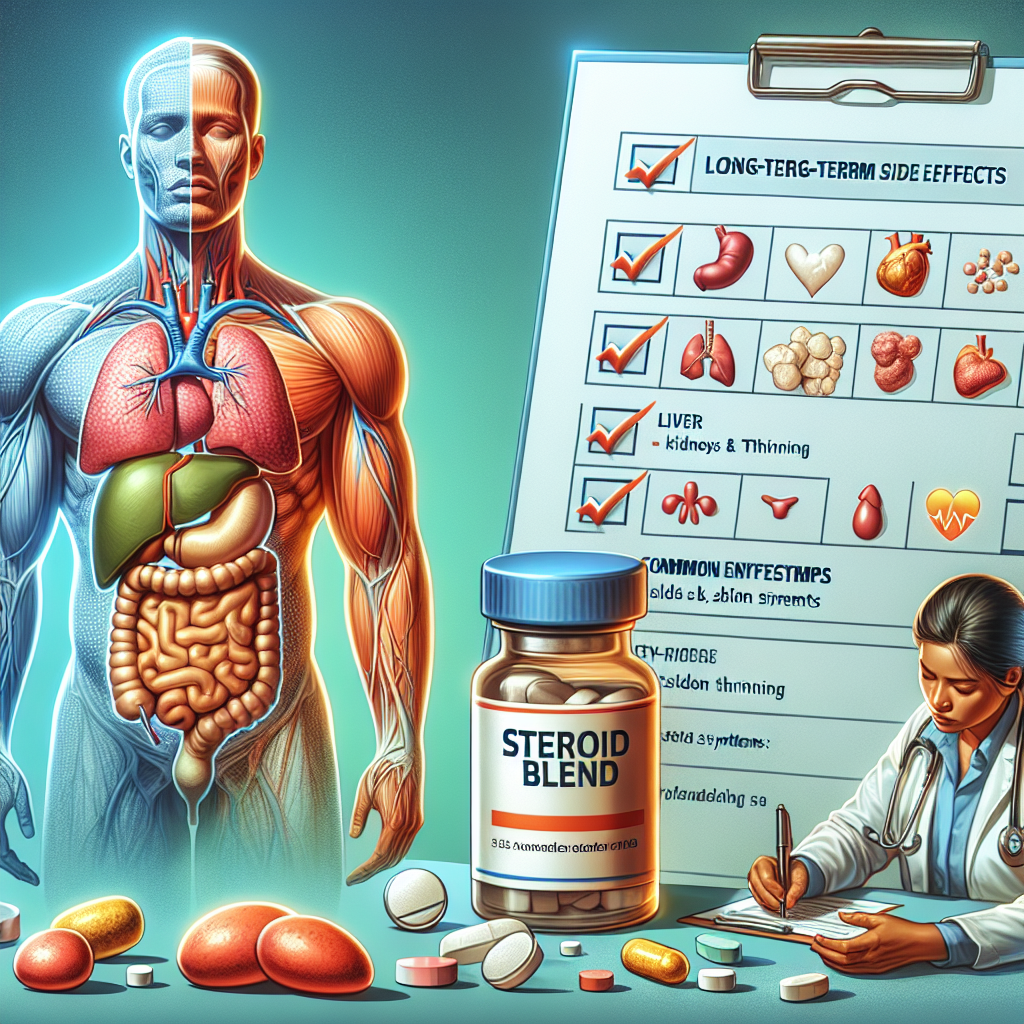
Furthermore, it is essential to be aware of the potential side effects of steroids and to monitor for any changes in the body. Regular check-ups with a healthcare professional can help detect any hormonal imbalances early on and prevent them from becoming more severe.
In conclusion, while steroids may offer short-term benefits for strength training, they can have serious consequences on the body’s endocrine system. It is crucial to maintain hormonal balance while using steroids to avoid long-term health risks. This can be achieved through proper monitoring and management of steroid use, as well as incorporating healthy lifestyle habits. Remember, your health should always be a top priority, and it is essential to use steroids responsibly and under the guidance of a healthcare professional.
Q&A
Q: Qu’est-ce qu’un cours de stéroïdes pour augmenter la force ?
A: Un cours de stéroïdes pour augmenter la force est un programme d’utilisation de stéroïdes anabolisants dans le but d’améliorer la force physique et la performance sportive.
Q: Quels sont les risques pour la santé endocrine associés à l’utilisation de stéroïdes pour augmenter la force ?
A: Les stéroïdes peuvent perturber l’équilibre hormonal naturel du corps, ce qui peut entraîner des problèmes de santé endocrine tels que des troubles de la croissance, des problèmes de fertilité et des dysfonctionnements de la glande thyroïde.
Q: Est-il sûr de suivre un cours de stéroïdes pour augmenter la force ?
A: Non, il n’est pas sûr de suivre un cours de stéroïdes pour augmenter la force. Les stéroïdes peuvent avoir des effets secondaires graves sur la santé et leur utilisation est illégale dans de nombreux pays. Il est important de consulter un professionnel de la santé avant de prendre des stéroïdes et de suivre les instructions médicales strictement pour minimiser les risques pour la santé.