-
Table of Contents
- Introduction
- The Importance of Post-Cycle Therapy: Preventing Hormonal Relapses with Steroid Courses
- Understanding the Role of Steroids in Hormonal Rebound and How to Safely Manage it with Post-Cycle Therapy
- Maximizing the Benefits of Steroid Cycles: How Post-Cycle Therapy Can Help Prevent Hormonal Rebound and Maintain Gains
- Q&A
« Empêchez les rechutes hormonales avec nos cours de stéroïdes après le cours. »
Introduction
Cours de stéroïdes après le cours : prévention des rechutes hormonales est un programme de formation qui vise à aider les personnes qui ont suivi un traitement à base de stéroïdes à prévenir les rechutes hormonales. Ce cours fournit des informations sur les effets des stéroïdes sur le corps et comment les gérer de manière efficace pour éviter les rechutes. Il comprend également des conseils pratiques sur la nutrition, l’exercice et les autres méthodes de prévention des rechutes. Ce cours est conçu pour aider les individus à maintenir une bonne santé et à éviter les complications liées à l’utilisation de stéroïdes.
The Importance of Post-Cycle Therapy: Preventing Hormonal Relapses with Steroid Courses
Steroids have been a controversial topic in the world of fitness and bodybuilding for decades. While they can provide significant gains in muscle mass and strength, they also come with potential side effects and risks. One of the biggest concerns with steroid use is the potential for hormonal imbalances and relapses after a cycle. This is where post-cycle therapy (PCT) comes into play.
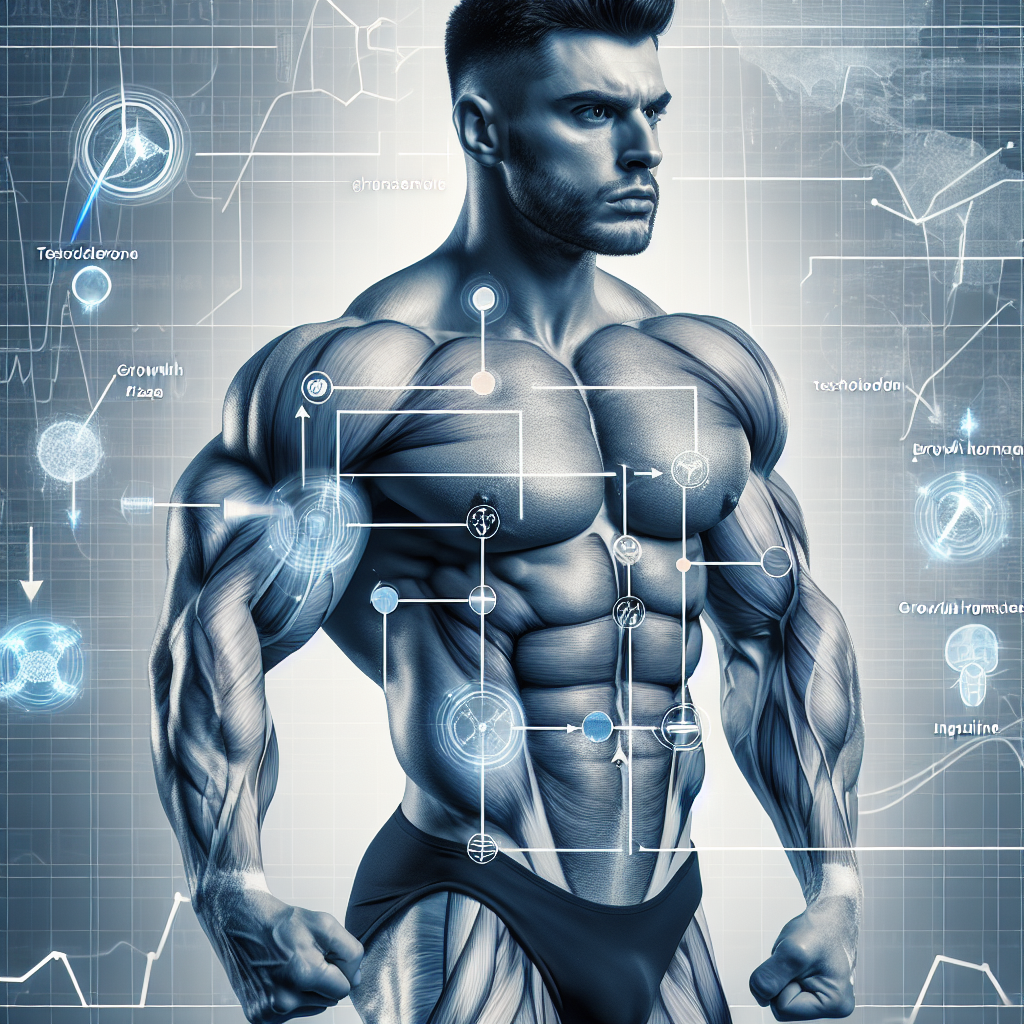
PCT refers to a period of time after a steroid cycle where the user takes certain medications or supplements to help restore their body’s natural hormone production. This is crucial because during a steroid cycle, the body’s natural production of testosterone is suppressed. When the cycle ends, the sudden drop in testosterone levels can lead to a host of negative side effects, including loss of muscle mass, low libido, and even depression.
The Importance of PCT cannot be overstated. Not only does it help prevent these negative side effects, but it also plays a crucial role in maintaining the gains made during the steroid cycle. Without proper PCT, the body may struggle to recover and return to its natural hormone levels, leading to a relapse of hormonal imbalances.
So, what exactly does PCT involve? The most common approach is to use a combination of medications and supplements that work together to restore hormone levels and support the body’s recovery. Let’s take a closer look at some of the key components of PCT.
Selective Estrogen Receptor Modulators (SERMs) are often used in PCT to help block the effects of estrogen, a hormone that can increase during a steroid cycle. Estrogen can cause unwanted side effects such as water retention, gynecomastia (enlarged breast tissue in men), and mood swings. SERMs work by binding to estrogen receptors, preventing estrogen from exerting its effects on the body.
Another important component of PCT is Human Chorionic Gonadotropin (HCG). This hormone is naturally produced in the body and plays a crucial role in the production of testosterone. During a steroid cycle, HCG levels can decrease, leading to a decrease in testosterone production. By supplementing with HCG during PCT, the body’s natural production of testosterone can be stimulated, helping to prevent a hormonal relapse.
Aromatase inhibitors (AIs) are also commonly used in PCT. These medications work by inhibiting the conversion of testosterone into estrogen. By reducing estrogen levels, AIs can help prevent estrogen-related side effects and support the body’s natural testosterone production.
In addition to these medications, there are also several supplements that can be beneficial during PCT. These include natural testosterone boosters, such as D-aspartic acid and tribulus terrestris, which can help support the body’s natural production of testosterone. Other supplements, such as zinc and vitamin D, can also play a role in hormone regulation and support overall health during PCT.
It’s important to note that PCT protocols may vary depending on the type of steroids used, the length of the cycle, and individual factors such as age and health status. It’s crucial to work with a healthcare professional or experienced coach to develop a personalized PCT plan that is tailored to your specific needs.
In conclusion, post-cycle therapy is a crucial aspect of using steroids safely and effectively. It not only helps prevent negative side effects and maintain gains, but it also supports the body’s natural recovery and hormone balance. By understanding the importance of PCT and working with a professional to develop a personalized plan, individuals can minimize the risks associated with steroid use and achieve their fitness goals safely.
Understanding the Role of Steroids in Hormonal Rebound and How to Safely Manage it with Post-Cycle Therapy
Steroids have been a controversial topic in the world of fitness and bodybuilding for decades. While they are known for their ability to enhance muscle growth and performance, they also come with a host of potential side effects and risks. One of the most concerning side effects of steroid use is hormonal rebound, which can occur after a cycle of steroid use has ended. In this article, we will explore the role of steroids in hormonal rebound and how to safely manage it with post-cycle therapy.
First, it is important to understand what hormonal rebound is and how it occurs. When an individual takes steroids, their body’s natural production of hormones, such as testosterone, is suppressed. This is because the body recognizes the presence of exogenous hormones and stops producing its own. As a result, when the steroid cycle ends, the body is left with low levels of hormones, leading to a state of hormonal imbalance.
Hormonal rebound can manifest in various ways, including decreased libido, mood swings, and even depression. In addition, the body may experience physical changes such as weight gain, loss of muscle mass, and fatigue. These symptoms can be distressing for individuals who have just completed a steroid cycle and are trying to maintain their gains.
To prevent or manage hormonal rebound, many individuals turn to post-cycle therapy (PCT). PCT involves the use of certain medications and supplements to help the body restore its natural hormone production. The goal of PCT is to minimize the negative effects of hormonal rebound and help the body return to its pre-steroid state.
One of the most commonly used medications in PCT is a selective estrogen receptor modulator (SERM) such as tamoxifen or clomiphene. These medications work by blocking the effects of estrogen in the body, which can help to restore the balance of hormones. They also stimulate the production of luteinizing hormone (LH) and follicle-stimulating hormone (FSH), which are responsible for triggering the production of testosterone.
Another important component of PCT is the use of supplements such as tribulus terrestris and D-aspartic acid. These supplements are believed to help boost testosterone levels and support the body’s natural hormone production. However, it is important to note that the effectiveness of these supplements is not scientifically proven, and they should be used with caution.
In addition to medication and supplements, lifestyle changes can also play a crucial role in managing hormonal rebound. Adequate rest and recovery, along with a balanced diet, can help the body recover from the stress of steroid use. It is also important to avoid any additional stressors, such as excessive alcohol consumption or overtraining, which can further disrupt hormone levels.
It is worth noting that PCT may not be necessary for all individuals who have completed a steroid cycle. The need for PCT depends on the type and duration of the steroid cycle, as well as individual factors such as age and overall health. It is always best to consult with a healthcare professional before starting any PCT regimen.
In conclusion, hormonal rebound is a common concern for individuals who use steroids. However, with proper understanding and management, it can be effectively prevented or minimized. Post-cycle therapy, along with lifestyle changes, can help the body restore its natural hormone production and minimize the negative effects of hormonal rebound. It is important to remember that the use of steroids and PCT should always be approached with caution and under the guidance of a healthcare professional.
Maximizing the Benefits of Steroid Cycles: How Post-Cycle Therapy Can Help Prevent Hormonal Rebound and Maintain Gains
Steroid cycles have become a popular method for individuals looking to enhance their physical performance and appearance. These cycles involve the use of anabolic steroids, which are synthetic versions of the male hormone testosterone. While these steroids can provide significant benefits, they also come with potential risks and side effects. One of the most common concerns with steroid use is the potential for hormonal rebound after a cycle is completed. This is where post-cycle therapy (PCT) comes into play.
Post-cycle therapy refers to the use of medications and supplements to help restore the body’s natural hormone levels after a steroid cycle. The goal of PCT is to prevent hormonal rebound and maintain the gains made during the cycle. This is important because when an individual stops taking steroids, their body’s natural production of testosterone can be suppressed, leading to a decrease in muscle mass and strength. PCT can help mitigate these effects and ensure that the gains made during the cycle are maintained.
One of the main reasons for using PCT is to prevent hormonal rebound. When an individual takes steroids, their body’s natural production of testosterone is suppressed. This is because the body recognizes the presence of synthetic testosterone and reduces its own production. As a result, when the steroid cycle is completed, the body may struggle to produce enough testosterone, leading to a hormonal imbalance. This can result in a range of side effects, including decreased libido, mood swings, and even depression.
PCT can help prevent this hormonal rebound by stimulating the body’s natural production of testosterone. This is achieved through the use of medications such as selective estrogen receptor modulators (SERMs) and aromatase inhibitors (AIs). SERMs work by blocking the effects of estrogen, which can be elevated during a steroid cycle. AIs, on the other hand, work by inhibiting the conversion of testosterone into estrogen. By using these medications, PCT can help restore the body’s natural hormone levels and prevent the negative effects of hormonal rebound.
In addition to preventing hormonal rebound, PCT can also help maintain the gains made during a steroid cycle. When an individual takes steroids, they experience an increase in muscle mass and strength due to the effects of testosterone. However, when the cycle is completed, the body’s natural production of testosterone may not be enough to sustain these gains. PCT can help maintain these gains by stimulating the body’s natural production of testosterone, ensuring that the muscles continue to receive the necessary hormones for growth and maintenance.
Moreover, PCT can also help mitigate the potential side effects of steroid use. As mentioned earlier, steroids can cause a range of side effects, including gynecomastia (enlargement of breast tissue in males), acne, and hair loss. PCT can help reduce the severity of these side effects by restoring the body’s natural hormone levels. For example, SERMs can help prevent gynecomastia by blocking the effects of estrogen, while AIs can help reduce acne and hair loss by inhibiting the conversion of testosterone into dihydrotestosterone (DHT).
It is important to note that PCT should not be seen as a cure-all for the potential risks and side effects of steroid use. It is still crucial to use steroids responsibly and under the guidance of a healthcare professional. PCT should also be tailored to the individual’s specific needs and the type of steroids used. For example, different steroids may require different PCT protocols, and the duration of PCT may vary depending on the length of the steroid cycle.
In conclusion, post-cycle therapy is an essential aspect of maximizing the benefits of steroid cycles. It can help prevent hormonal rebound, maintain gains, and mitigate potential side effects. By using medications and supplements to stimulate the body’s natural production of testosterone, PCT can help individuals safely and effectively use steroids while minimizing the negative effects. However, it is crucial to use PCT responsibly and under the guidance of a healthcare professional to ensure the best results.
Q&A
1) Qu’est-ce que le cours de stéroïdes après le cours ?
Le cours de stéroïdes après le cours est un programme de prévention des rechutes hormonales destiné aux personnes qui ont suivi un traitement à base de stéroïdes.
2) Quel est l’objectif de ce cours ?
L’objectif du cours de stéroïdes après le cours est d’aider les patients à maintenir un équilibre hormonal stable après avoir arrêté leur traitement à base de stéroïdes, afin de prévenir les rechutes et les effets secondaires associés.
3) Qui peut bénéficier de ce cours ?
Ce cours est destiné aux personnes qui ont suivi un traitement à base de stéroïdes pour une maladie ou un trouble médical, et qui souhaitent prévenir les rechutes hormonales et maintenir un équilibre hormonal sain. Il est généralement recommandé par les médecins traitants ou les spécialistes en endocrinologie.