-
Table of Contents
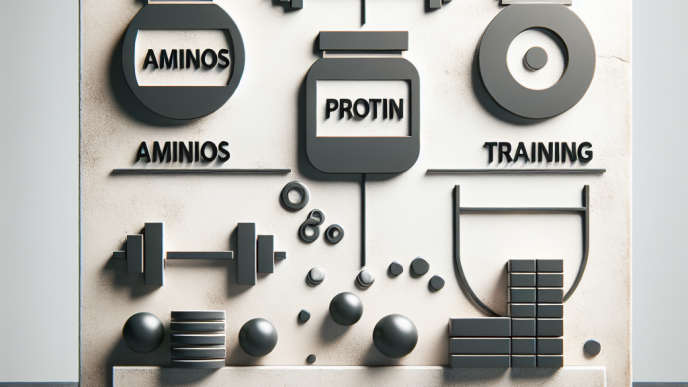
« Transform your body with the ultimate combination of aminos, proteins, and training – the perfect plan for a lean and toned physique. »
Introduction
Plan « sèche » is a popular approach to weight loss and muscle definition that involves a combination of amino acids, protein intake, and specific training protocols. This plan is often used by bodybuilders and fitness enthusiasts to achieve a lean and toned physique. In this protocol, the focus is on reducing body fat while maintaining or even increasing muscle mass. It is a structured and disciplined approach that requires dedication and consistency to see results. In this article, we will explore the key components of the « sèche » plan and how they work together to help individuals reach their fitness goals.
The Importance of Amino Acids in a Cutting Plan
When it comes to achieving a lean and toned physique, many people turn to a cutting plan. This type of plan involves reducing body fat while maintaining muscle mass, resulting in a more defined and sculpted appearance. While there are various methods and protocols for a cutting plan, one key element that should not be overlooked is the use of amino acids.
Amino acids are the building blocks of protein, which is essential for muscle growth and repair. During a cutting plan, the body is in a calorie deficit, meaning it is burning more calories than it is consuming. This can put the body in a catabolic state, where it breaks down muscle tissue for energy. This is where amino acids play a crucial role.
By supplementing with amino acids, specifically branched-chain amino acids (BCAAs), the body can prevent muscle breakdown and promote muscle protein synthesis. BCAAs, which include leucine, isoleucine, and valine, are essential amino acids that cannot be produced by the body and must be obtained through diet or supplementation. They have been shown to stimulate muscle protein synthesis, reduce muscle soreness, and improve exercise performance.
In addition to BCAAs, other amino acids such as glutamine and arginine can also be beneficial during a cutting plan. Glutamine is the most abundant amino acid in the body and plays a crucial role in immune function and muscle recovery. During a cutting plan, the body may be under increased stress, making it important to support the immune system. Arginine, on the other hand, is known for its ability to increase nitric oxide production, which can improve blood flow and nutrient delivery to muscles.
While amino acids can be obtained through diet, it can be challenging to consume enough through food alone, especially during a cutting plan where calorie intake is restricted. This is where supplementation comes in. Amino acid supplements are available in various forms, including powders, capsules, and liquids. They can be taken before, during, or after a workout, depending on personal preference and the specific product.
In addition to supplementing with amino acids, it is also essential to ensure adequate protein intake during a cutting plan. Protein is made up of amino acids, and it is crucial for maintaining and building muscle mass. The recommended daily intake of protein for individuals looking to lose body fat and maintain muscle is 1.2-1.6 grams per kilogram of body weight. This can be achieved through a combination of whole food sources such as lean meats, eggs, and dairy, as well as protein supplements such as whey, casein, and plant-based options.
Along with proper nutrition, training is also a crucial component of a cutting plan. Resistance training, in particular, is essential for maintaining muscle mass while in a calorie deficit. By challenging the muscles through weightlifting, the body is signaled to preserve muscle tissue. This, combined with adequate protein intake and amino acid supplementation, can help prevent muscle breakdown during a cutting plan.
In conclusion, amino acids play a vital role in a cutting plan. By supplementing with BCAAs, glutamine, and arginine, individuals can support muscle growth and recovery, prevent muscle breakdown, and improve exercise performance. Along with proper nutrition and training, amino acids can help individuals achieve their desired lean and toned physique. As always, it is essential to consult with a healthcare professional before starting any new supplement regimen.
Maximizing Muscle Retention with Protein in a Cutting Phase

When it comes to achieving a lean and defined physique, many people turn to a cutting phase. This involves reducing body fat while maintaining muscle mass. However, this can be a challenging process as it requires a careful balance of nutrition and training. One popular approach to a cutting phase is the “plan sèche” or “drying plan” in French. This plan involves a combination of amino acids, protein, and training to maximize muscle retention while shedding excess fat.
The first component of the “plan sèche” is the use of amino acids. Amino acids are the building blocks of protein and are essential for muscle growth and repair. During a cutting phase, the body is in a calorie deficit, meaning it is burning more calories than it is consuming. This deficit can lead to muscle breakdown if not managed properly. Amino acids can help prevent this by providing the body with the necessary nutrients to maintain muscle mass.
One of the most important amino acids for muscle retention is leucine. Leucine is a branched-chain amino acid (BCAA) that plays a crucial role in protein synthesis. It stimulates the production of muscle-building proteins and helps prevent muscle breakdown. Research has shown that supplementing with leucine can help preserve muscle mass during a cutting phase.
In addition to leucine, other BCAAs such as isoleucine and valine also play a role in muscle retention. These amino acids work together to support protein synthesis and prevent muscle breakdown. Therefore, it is essential to ensure an adequate intake of BCAAs during a cutting phase.
The second component of the “plan sèche” is protein. Protein is essential for building and maintaining muscle mass. During a cutting phase, it is crucial to consume enough protein to support muscle growth and repair. The recommended daily intake of protein for individuals looking to maintain muscle mass during a cutting phase is 1.2-1.5 grams per kilogram of body weight.
Protein sources such as lean meats, fish, eggs, and dairy products are excellent options for those following the “plan sèche.” These foods are high in essential amino acids and provide the body with the necessary nutrients to support muscle retention. Additionally, protein supplements such as whey protein can be a convenient and effective way to increase protein intake during a cutting phase.
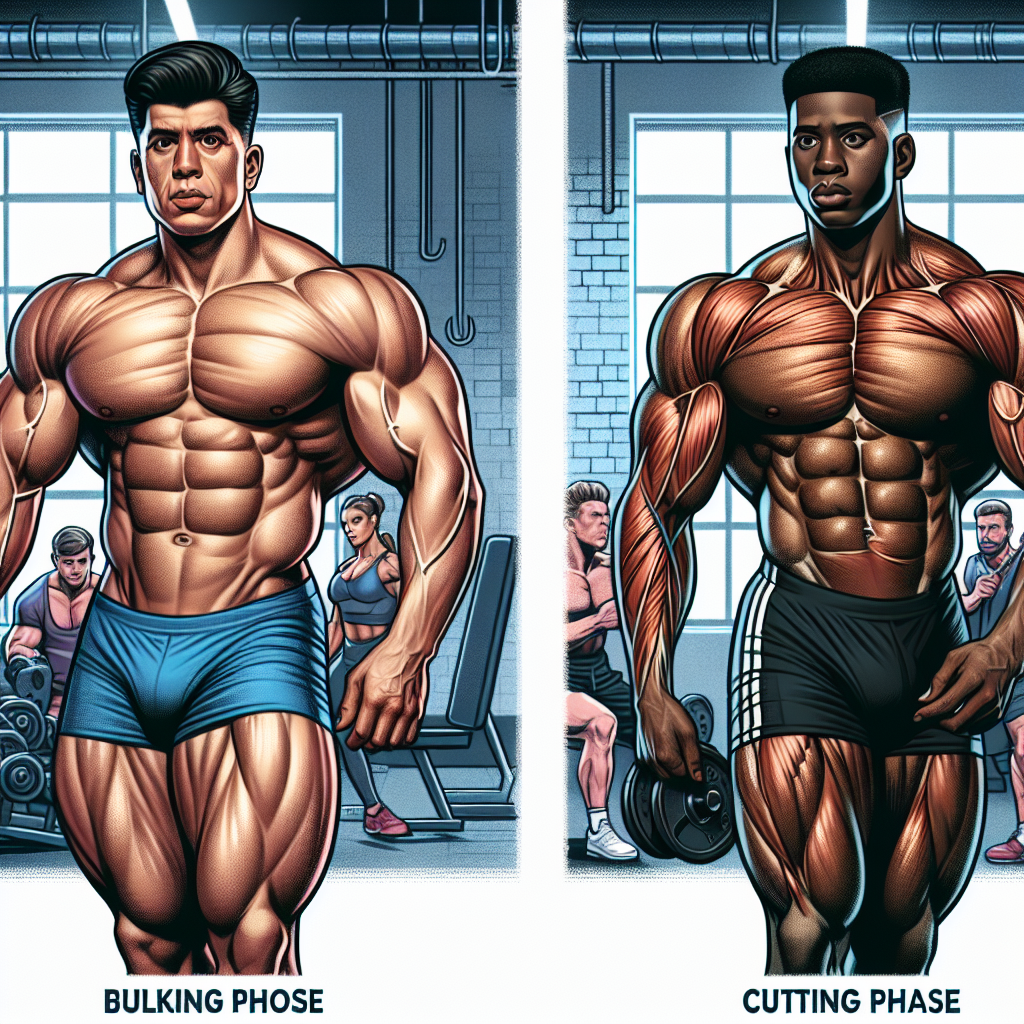
The final component of the “plan sèche” is training. Resistance training is crucial for maintaining muscle mass during a cutting phase. It helps stimulate protein synthesis and prevents muscle breakdown. However, it is essential to adjust training intensity and volume during a cutting phase. As the body is in a calorie deficit, it may not have the same energy and strength levels as during a bulking phase. Therefore, it is essential to listen to your body and adjust training accordingly.
In addition to resistance training, incorporating high-intensity interval training (HIIT) can also be beneficial during a cutting phase. HIIT involves short bursts of intense exercise followed by periods of rest. This type of training has been shown to increase metabolism and promote fat loss while preserving muscle mass.
In conclusion, the “plan sèche” is a popular approach to a cutting phase that focuses on maximizing muscle retention. By incorporating amino acids, protein, and training, individuals can achieve a lean and defined physique while maintaining their hard-earned muscle mass. However, it is essential to consult with a healthcare professional or certified trainer before starting any new nutrition or training plan. With dedication and consistency, the “plan sèche” can help individuals achieve their desired physique while promoting overall health and wellness.
Effective Training Strategies for a Successful Cutting Program
When it comes to achieving a lean and toned physique, a cutting program is often the go-to method for many fitness enthusiasts. This type of program involves reducing body fat while maintaining muscle mass, resulting in a more defined and sculpted appearance. However, a successful cutting program requires more than just a strict diet and intense workouts. It also involves a well-planned and structured approach, which includes incorporating aminos, proteins, and effective training strategies.
The first step in any cutting program is to establish a caloric deficit. This means consuming fewer calories than your body needs, forcing it to tap into its fat stores for energy. While this may seem simple enough, it can be challenging to maintain a caloric deficit without feeling fatigued and hungry. This is where aminos come into play.
Aminos, or amino acids, are the building blocks of protein and play a crucial role in muscle growth and repair. However, they also have other benefits, such as reducing fatigue and increasing energy levels. This is especially important during a cutting program when the body is in a caloric deficit. By supplementing with aminos, you can provide your body with the necessary nutrients to support your workouts and prevent muscle breakdown.
When it comes to choosing the right aminos for your cutting program, there are a few key factors to consider. First, look for a product that contains essential amino acids (EAAs). These are the nine amino acids that the body cannot produce on its own and must be obtained through diet or supplementation. EAAs are crucial for muscle growth and repair, making them an essential component of any cutting program.
Another factor to consider is the ratio of BCAAs (branched-chain amino acids) to EAAs. BCAAs, which include leucine, isoleucine, and valine, are known for their ability to stimulate muscle protein synthesis and prevent muscle breakdown. However, research has shown that supplementing with a combination of BCAAs and EAAs is more effective than BCAAs alone. Look for a product that provides a balanced ratio of both for optimal results.
In addition to aminos, protein is another essential component of a successful cutting program. Protein is crucial for building and maintaining muscle mass, which is especially important during a caloric deficit. However, not all proteins are created equal. When choosing a protein supplement, opt for a high-quality source, such as whey or casein. These proteins are easily digested and contain all the essential amino acids needed for muscle growth and repair.
Now that we have covered the importance of aminos and protein in a cutting program, let’s discuss the role of training. When in a caloric deficit, it’s essential to maintain a balance between cardio and resistance training. While cardio is great for burning calories, resistance training is crucial for preserving muscle mass. It’s also essential to incorporate high-intensity interval training (HIIT) into your routine. HIIT has been shown to be more effective for fat loss than steady-state cardio and can also help preserve muscle mass.
In addition to the type of training, the frequency and intensity are also crucial factors to consider. During a cutting program, it’s essential to maintain a consistent workout schedule and gradually increase the intensity over time. This will prevent burnout and allow your body to adapt to the changes gradually.
In conclusion, a successful cutting program requires a well-planned and structured approach. By incorporating aminos and protein into your diet and following an effective training regimen, you can achieve your desired results while maintaining muscle mass. Remember to listen to your body and make adjustments as needed, and always consult with a healthcare professional before starting any new diet or exercise program. With dedication and consistency, you can achieve a lean and toned physique through a successful cutting program.
Q&A
1) What is the « sèche » plan and what does it involve?
The « sèche » plan is a weight loss program that involves a combination of aminos, proteins, and training. It is designed to help individuals lose body fat and maintain muscle mass.
2) How do aminos and proteins play a role in the « sèche » plan?
Aminos and proteins are essential for muscle growth and repair, which is important during a weight loss program. Aminos help to preserve muscle mass while proteins provide the necessary building blocks for muscle growth.
3) What type of training is recommended for the « sèche » plan?
The « sèche » plan typically involves a combination of resistance training and cardiovascular exercise. Resistance training helps to build and maintain muscle mass, while cardiovascular exercise helps to burn calories and promote fat loss. It is important to have a balanced training routine that includes both types of exercise for optimal results.