
-
Table of Contents
« Fuel your body for lasting performance with Plan ‘endurance’ – the ultimate combination of aminos and carbs. »
Introduction
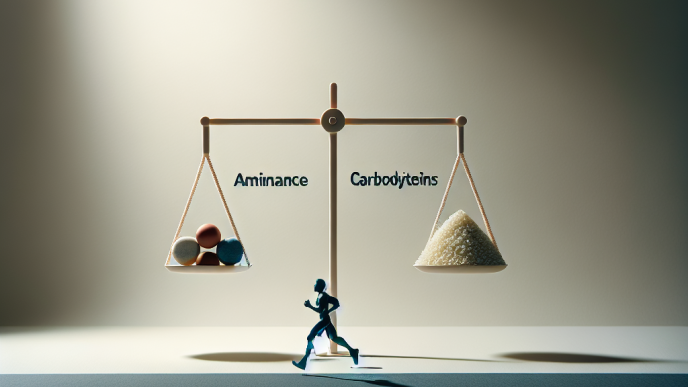
Plan « endurance » is a nutritional protocol designed to support individuals engaging in endurance activities such as long-distance running, cycling, or swimming. It involves the consumption of a specific combination of amino acids and carbohydrates to optimize energy levels and promote muscle recovery during and after prolonged physical exertion. This plan is commonly used by athletes and fitness enthusiasts to improve their performance and endurance during endurance training and competitions. In this protocol, the timing and amount of amino acids and carbohydrates consumed are carefully planned to provide the body with the necessary nutrients for sustained energy and muscle repair.
The Importance of Amino Acids and Carbohydrates in Endurance Training
Endurance training is a crucial aspect of any athlete’s training regimen. Whether you are a long-distance runner, a cyclist, or a swimmer, building endurance is essential for improving performance and achieving your goals. While there are many factors that contribute to endurance, two key components that often go hand in hand are amino acids and carbohydrates.
Amino acids are the building blocks of protein, which is essential for muscle growth and repair. During endurance training, muscles are put under a lot of stress and can experience micro-tears. Amino acids help repair these tears and promote muscle growth, leading to improved endurance. Additionally, amino acids play a vital role in energy production during exercise. They can be broken down and converted into glucose, which is the primary source of fuel for the body during endurance activities.
On the other hand, carbohydrates are the body’s main source of energy. They are broken down into glucose and stored in the muscles and liver as glycogen. During endurance training, the body relies heavily on these glycogen stores to sustain energy levels. As the glycogen stores deplete, fatigue sets in, and performance declines. Therefore, it is crucial to replenish these stores through proper carbohydrate intake to maintain endurance and performance.
Now that we understand the importance of amino acids and carbohydrates in endurance training let’s discuss how to incorporate them into a training plan. The most effective way to do this is through a protocol that combines both amino acids and carbohydrates.
The first step in this protocol is to ensure adequate intake of essential amino acids. Essential amino acids are those that the body cannot produce on its own and must be obtained through diet or supplementation. These include leucine, isoleucine, valine, lysine, methionine, phenylalanine, threonine, tryptophan, and histidine. These amino acids are crucial for muscle repair and growth, as well as energy production. Therefore, it is essential to consume a diet rich in protein or consider supplementing with essential amino acids to ensure adequate intake.
The next step is to incorporate carbohydrates into the training plan. The amount of carbohydrates needed will vary depending on the intensity and duration of the endurance activity. For shorter, high-intensity activities, a smaller amount of carbohydrates may be needed, while longer, lower-intensity activities may require a higher intake. It is essential to experiment and find the right balance for your body and training needs.
One way to ensure proper carbohydrate intake is through the use of sports drinks or gels during training. These products are specifically designed to provide a quick source of carbohydrates and electrolytes to fuel the body during endurance activities. They are also easily digestible, making them a convenient option for on-the-go fueling.
Another important aspect of this protocol is timing. It is crucial to consume amino acids and carbohydrates before, during, and after endurance training. Consuming a balanced meal or snack containing both amino acids and carbohydrates 1-2 hours before training can help provide sustained energy throughout the activity. During training, it is recommended to consume carbohydrates every 30-45 minutes to maintain energy levels. After training, it is essential to replenish glycogen stores and aid in muscle recovery by consuming a meal or snack containing both amino acids and carbohydrates within 30 minutes of completing the activity.
In conclusion, amino acids and carbohydrates play a crucial role in endurance training. They are essential for muscle repair and growth, as well as energy production. By following a protocol that combines both amino acids and carbohydrates, athletes can improve their endurance and performance. Remember to focus on adequate intake of essential amino acids, proper carbohydrate intake, and timing to optimize your endurance training. With the right fuel, you can push your limits and achieve your endurance goals.
Maximizing Endurance with a Proper Amino Acid and Carbohydrate Protocol

Endurance is a crucial aspect of any physical activity, whether it be running a marathon, cycling for hours, or even just completing a long hike. It is the ability to sustain prolonged physical activity without experiencing fatigue or exhaustion. Many factors contribute to endurance, such as training, nutrition, and genetics. In this article, we will focus on the role of amino acids and carbohydrates in maximizing endurance.
Amino acids are the building blocks of protein and play a vital role in muscle growth and repair. They are also essential for energy production during physical activity. When we exercise, our muscles use up glycogen, which is the stored form of glucose in the body. As glycogen levels decrease, our body turns to amino acids to provide energy. This is where a proper amino acid protocol comes into play.
The first step in creating an effective amino acid protocol for endurance is to understand the different types of amino acids. There are nine essential amino acids that our body cannot produce on its own and must be obtained through our diet. These include leucine, isoleucine, valine, lysine, methionine, phenylalanine, threonine, tryptophan, and histidine. These amino acids are crucial for muscle growth and repair, as well as energy production.
The next step is to determine the optimal ratio of amino acids for endurance. Research has shown that a combination of branched-chain amino acids (BCAAs) and essential amino acids (EAAs) can improve endurance performance. BCAAs, specifically leucine, isoleucine, and valine, have been shown to reduce fatigue and improve muscle recovery. EAAs, on the other hand, provide a complete profile of all essential amino acids, ensuring that our body has all the necessary building blocks for energy production.
Once the optimal ratio of amino acids has been determined, the next step is to combine them with carbohydrates. Carbohydrates are the primary source of energy for our body, and they are crucial for endurance activities. When we exercise, our body breaks down carbohydrates into glucose, which is then used to produce ATP, the energy currency of our cells. Without an adequate supply of carbohydrates, our body will turn to protein for energy, leading to muscle breakdown and fatigue.
The key to maximizing endurance with carbohydrates is to consume them in the right form and at the right time. Complex carbohydrates, such as whole grains, fruits, and vegetables, are the preferred source of energy for endurance activities. They provide a steady release of glucose, ensuring a sustained energy supply. On the other hand, simple carbohydrates, such as sugar and processed foods, provide a quick burst of energy but can lead to a crash later on.
Timing is also crucial when it comes to carbohydrate consumption for endurance. It is recommended to consume a meal or snack containing carbohydrates and amino acids 1-2 hours before a workout. This will provide our body with the necessary fuel and building blocks for energy production. During prolonged physical activity, it is essential to replenish carbohydrates and amino acids to prevent fatigue and muscle breakdown. Consuming a carbohydrate and amino acid drink or snack every 30-45 minutes can help maintain energy levels and delay fatigue.
In conclusion, a proper amino acid and carbohydrate protocol is essential for maximizing endurance. A combination of BCAAs and EAAs can improve muscle recovery and reduce fatigue, while complex carbohydrates provide a sustained energy supply. Timing is also crucial, with pre-workout and intra-workout consumption being key to maintaining energy levels. By following a well-designed amino acid and carbohydrate protocol, individuals can improve their endurance and achieve their fitness goals.
Fueling Your Body for Endurance: A Guide to Amino Acids and Carbohydrates
Endurance activities, such as long-distance running, cycling, or swimming, require a significant amount of energy and stamina. To perform at your best during these activities, it is crucial to properly fuel your body with the right nutrients. Amino acids and carbohydrates are two essential components that play a vital role in providing the necessary energy for endurance activities. In this article, we will discuss the importance of amino acids and carbohydrates in fueling your body for endurance and provide a guide on how to incorporate them into your diet.
Amino acids are the building blocks of protein and are essential for muscle growth and repair. During endurance activities, our muscles undergo a significant amount of stress and damage, and amino acids help in repairing and rebuilding these muscles. There are 20 different types of amino acids, and nine of them are considered essential, meaning that our bodies cannot produce them and must be obtained through our diet.
One of the most important amino acids for endurance activities is branched-chain amino acids (BCAAs). These include leucine, isoleucine, and valine, and they play a crucial role in energy production during exercise. BCAAs are metabolized in the muscles, providing a readily available source of energy. They also help in reducing fatigue and muscle soreness, allowing you to perform at your best for a more extended period.
To ensure that your body has an adequate supply of BCAAs during endurance activities, it is recommended to consume them before and during your workout. Foods rich in BCAAs include chicken, eggs, fish, and dairy products. However, for a more convenient and efficient way of consuming BCAAs, many athletes turn to supplements. BCAA supplements come in various forms, such as powders, capsules, and energy drinks, making it easier to incorporate them into your diet.
Another essential amino acid for endurance activities is glutamine. Glutamine is the most abundant amino acid in our muscles and plays a crucial role in energy production. During prolonged exercise, our bodies use glutamine as a source of fuel, helping to delay fatigue and improve endurance. Glutamine also aids in muscle recovery and reduces muscle soreness, making it an essential amino acid for endurance athletes.
In addition to amino acids, carbohydrates are also crucial for fueling your body during endurance activities. Carbohydrates are the primary source of energy for our bodies, and during exercise, our muscles rely on carbohydrates to keep us going. However, not all carbohydrates are created equal. Simple carbohydrates, such as sugar and refined grains, provide a quick burst of energy but are quickly depleted, leading to a crash. On the other hand, complex carbohydrates, such as whole grains, fruits, and vegetables, provide sustained energy and are a better choice for endurance activities.
To properly fuel your body for endurance activities, it is recommended to consume a combination of simple and complex carbohydrates. Simple carbohydrates can be consumed before and during your workout to provide a quick source of energy, while complex carbohydrates should be consumed before and after your workout to sustain energy levels and aid in muscle recovery. It is also essential to choose carbohydrates that are easily digestible to avoid any stomach discomfort during your workout.
In addition to incorporating amino acids and carbohydrates into your diet, it is also crucial to stay hydrated during endurance activities. Water is essential for regulating body temperature and transporting nutrients to your muscles. It is recommended to drink water before, during, and after your workout to maintain proper hydration levels.
In conclusion, fueling your body with the right nutrients is crucial for performing at your best during endurance activities. Amino acids, such as BCAAs and glutamine, aid in muscle repair and energy production, while carbohydrates provide the necessary fuel for your muscles. By incorporating these nutrients into your diet and staying hydrated, you can improve your endurance and reach your fitness goals. Remember to consult with a healthcare professional before making any significant changes to your diet.
Q&A
1) What is the purpose of the « endurance » protocol with aminos and carbohydrates?
The purpose of the « endurance » protocol with aminos and carbohydrates is to provide the body with the necessary nutrients to sustain prolonged physical activity and improve endurance performance.
2) How do aminos and carbohydrates work together in the « endurance » protocol?
Aminos and carbohydrates work together in the « endurance » protocol by providing the body with essential amino acids for muscle repair and growth, as well as a readily available source of energy for sustained physical activity.
3) Are there any specific recommendations for using the « endurance » protocol with aminos and carbohydrates?
Yes, it is recommended to consume a combination of aminos and carbohydrates before, during, and after prolonged physical activity to support endurance and aid in muscle recovery. It is also important to stay hydrated and follow a balanced diet to optimize the effects of the protocol.