
-
Table of Contents
- Introduction
- The Hidden Dangers of Natural Oils: Exploring the Risks of Using Natural Lipids in the Market
- Understanding the Misconceptions of Natural in the Lipid Market: How to Make Informed Choices
- The Importance of Proper Labeling and Regulation in the Natural Lipid Market: Protecting Consumers from Harmful Ingredients
- Q&A
« Choose wisely, not all things natural are safe. Be cautious in the lipid market. »
Introduction
Le terme « naturel » est souvent associé à des produits sains et sans danger pour la santé. Cependant, dans le marché des lipides, cela n’est pas toujours le cas. En effet, de nombreux produits naturels contiennent des graisses saturées et des acides gras trans, qui peuvent être nocifs pour notre santé. Dans cet article, nous allons explorer quelques exemples de produits naturels qui ne sont pas toujours synonymes de sécurité dans le domaine des lipides.
The Hidden Dangers of Natural Oils: Exploring the Risks of Using Natural Lipids in the Market
In recent years, there has been a growing trend towards using natural products in various industries, including the beauty and skincare market. Consumers are becoming more conscious of the ingredients in their products and are seeking out natural alternatives. However, when it comes to natural oils, the term « natural » does not always equate to « safe. » In fact, there are hidden dangers associated with using natural lipids in the market.
One of the main risks of using natural oils in the market is the potential for allergic reactions. While natural oils may seem harmless, they can still cause adverse reactions in some individuals. This is because natural oils contain various compounds that can trigger allergies in sensitive individuals. For example, essential oils, which are commonly used in natural skincare products, can cause skin irritation, redness, and even rashes in some people. This is especially true for those with sensitive skin or pre-existing skin conditions.
Another danger of using natural oils in the market is the risk of contamination. Unlike synthetic oils, which are produced in a controlled environment, natural oils are extracted from plants and can be easily contaminated during the production process. This can happen due to poor harvesting practices, improper storage, or even cross-contamination with other substances. Contaminated oils can cause serious health issues, including skin infections and respiratory problems.
Furthermore, the quality and purity of natural oils can vary greatly. With the increasing demand for natural products, many companies are jumping on the bandwagon and producing their own line of natural oils. However, not all of these companies adhere to strict quality control measures. As a result, some natural oils on the market may be diluted or adulterated with other substances, making them less effective and potentially harmful. This is especially concerning for those who use natural oils for medicinal purposes, as the potency and effectiveness of the oil can be compromised.
In addition to these risks, there is also the issue of sustainability. The production of natural oils often involves the harvesting of plants, which can have a negative impact on the environment. Over-harvesting can lead to the depletion of certain plant species, disrupting the delicate balance of ecosystems. This is a growing concern, as the demand for natural oils continues to rise. It is essential for companies to practice sustainable sourcing and production methods to ensure the long-term availability of these natural resources.
So, what can consumers do to protect themselves from the hidden dangers of natural oils in the market? Firstly, it is crucial to do thorough research and read labels carefully before purchasing any natural oil product. Look for certifications from reputable organizations that ensure the quality and purity of the oil. It is also advisable to do a patch test before using any new product, especially if you have sensitive skin. This will help identify any potential allergic reactions.
Furthermore, it is essential to support companies that prioritize sustainability and ethical sourcing practices. Look for brands that use sustainable methods of production and support fair trade practices. By doing so, you are not only protecting yourself but also contributing to the preservation of our planet.
In conclusion, while natural oils may seem like a safe and healthy alternative, there are hidden dangers associated with their use in the market. From allergic reactions to contamination and sustainability concerns, it is crucial for consumers to be aware of these risks and make informed decisions when purchasing natural oil products. By doing so, we can ensure the safety and sustainability of these natural resources for generations to come.
Understanding the Misconceptions of Natural in the Lipid Market: How to Make Informed Choices
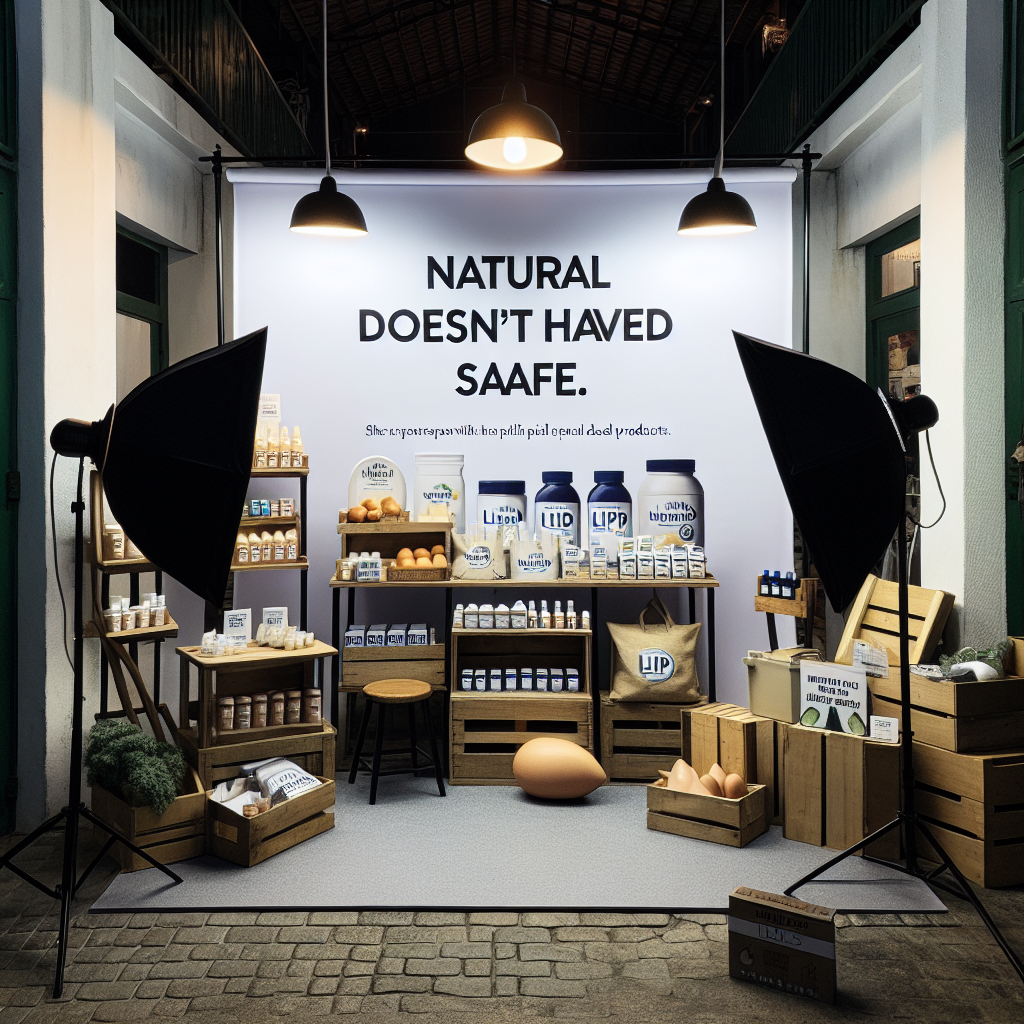
In today’s health-conscious society, the term « natural » has become a buzzword, often associated with being safe and healthy. This is especially true in the food industry, where consumers are increasingly seeking out products with natural ingredients. However, when it comes to the lipid market, the idea that « natural » equals « safe » is not always accurate. In fact, there are several misconceptions surrounding the use of natural lipids in products, and it is important for consumers to understand these misconceptions in order to make informed choices.
One of the main misconceptions about natural lipids is that they are always healthier than their synthetic counterparts. While it is true that natural lipids are derived from natural sources such as plants and animals, this does not automatically make them healthier. In fact, some natural lipids can be just as harmful as synthetic ones, depending on how they are processed and used.
For example, coconut oil has gained popularity in recent years as a « natural » alternative to other cooking oils. However, coconut oil is high in saturated fat, which has been linked to an increased risk of heart disease. This is because the process of extracting coconut oil involves heating and refining, which can alter its chemical composition and make it less healthy. On the other hand, synthetic oils such as canola oil undergo a more rigorous refining process, making them a healthier option.
Another misconception is that natural lipids are always more environmentally friendly than synthetic ones. While it is true that natural sources are renewable and biodegradable, the production of natural lipids can still have a negative impact on the environment. For example, the production of palm oil, a commonly used natural lipid, has been linked to deforestation and the destruction of wildlife habitats. In contrast, synthetic lipids can be produced in a controlled environment, reducing their impact on the environment.
Furthermore, the idea that natural lipids are always safer for consumption is also a misconception. Natural lipids can contain harmful substances, such as toxins and allergens, that can have adverse effects on human health. For example, fish oil, a popular natural lipid supplement, can contain high levels of mercury and other contaminants. In contrast, synthetic lipids are produced in a controlled environment, ensuring that they are free from harmful substances.
So, what can consumers do to make informed choices when it comes to natural lipids in the market? The key is to look beyond the label and do some research. It is important to understand the source and production process of the lipid in question. For example, if a product claims to be made with « natural » coconut oil, it is important to find out how it was extracted and refined. Additionally, consumers can look for certifications such as « organic » or « non-GMO » to ensure that the product meets certain standards.
In conclusion, the idea that « natural » always equals « safe » in the lipid market is a misconception. While natural lipids may have some benefits, they are not always healthier, environmentally friendly, or safer for consumption than their synthetic counterparts. It is important for consumers to do their own research and look beyond the label to make informed choices when it comes to natural lipids. By understanding the misconceptions surrounding natural lipids, consumers can make better choices for their health and the environment.
The Importance of Proper Labeling and Regulation in the Natural Lipid Market: Protecting Consumers from Harmful Ingredients
In recent years, there has been a growing trend towards using natural products in various industries, including the food and beauty sectors. This shift towards natural ingredients is often seen as a healthier and safer option for consumers. However, when it comes to the market for lipids, the term « natural » does not always equate to « safe. » In fact, there have been numerous cases where natural lipids have caused harm to consumers due to improper labeling and lack of regulation. In this article, we will explore the importance of proper labeling and regulation in the natural lipid market and how it can protect consumers from harmful ingredients.
First and foremost, it is essential to understand what exactly lipids are and their role in our daily lives. Lipids are a type of fat that is found in both plants and animals. They play a crucial role in our bodies, providing energy, insulation, and protection for our organs. In the food industry, lipids are commonly used as cooking oils, margarine, and as an ingredient in various processed foods. In the beauty industry, they are used in skincare products, such as moisturizers and lip balms.
With the increasing demand for natural products, many companies have started using natural lipids in their products. However, the term « natural » is not regulated by any governing body, which means that companies can use it freely without any guidelines or standards. This lack of regulation has led to a significant issue in the natural lipid market – improper labeling.
Many companies use the term « natural » on their products, even though they contain harmful ingredients. For example, some natural lipids, such as coconut oil, can cause allergic reactions in some individuals. If a product containing coconut oil is labeled as « natural, » consumers may assume that it is entirely safe for use, leading to potential harm. This is where proper labeling becomes crucial. Companies must accurately label their products, including all ingredients, to ensure that consumers are aware of what they are putting on their bodies.
Moreover, the lack of regulation in the natural lipid market also means that there is no standard for the quality of these products. This can lead to the use of low-quality or contaminated ingredients, which can be harmful to consumers. For instance, some natural lipids, such as olive oil, can be adulterated with cheaper oils, such as sunflower oil, without proper regulation. This not only deceives consumers but also puts their health at risk.
To address these issues, proper regulation of the natural lipid market is crucial. Governments and regulatory bodies must establish guidelines and standards for the use of the term « natural » and ensure that companies adhere to them. This will not only protect consumers from harmful ingredients but also promote fair competition among companies.
In addition to proper labeling and regulation, it is also essential for consumers to educate themselves about the products they are using. Reading ingredient labels and researching the companies behind the products can help consumers make informed decisions about their purchases. It is also essential to be aware of any potential allergies or sensitivities to certain ingredients and to consult a healthcare professional if necessary.
In conclusion, while the use of natural lipids may seem like a healthier and safer option, it is crucial to understand that the term « natural » is not always synonymous with « safe. » The lack of regulation and improper labeling in the natural lipid market can lead to harmful consequences for consumers. It is the responsibility of governments, regulatory bodies, and companies to ensure that proper guidelines and standards are in place to protect consumers from harmful ingredients. As consumers, it is also our responsibility to educate ourselves and make informed decisions about the products we use. By working together, we can create a safer and more transparent natural lipid market for everyone.
Q&A
1) Quels sont les risques associés à l’utilisation de lipides naturels sur le marché alimentaire ?
Les risques associés à l’utilisation de lipides naturels sur le marché alimentaire peuvent inclure la présence de contaminants naturels tels que des toxines ou des allergènes, ainsi que des variations dans la composition et la qualité des lipides en fonction de la source et des conditions de production.
2) Comment les consommateurs peuvent-ils s’assurer de la sécurité des lipides naturels qu’ils consomment ?
Les consommateurs peuvent s’assurer de la sécurité des lipides naturels en vérifiant les certifications et les labels de qualité sur les produits, en lisant attentivement les étiquettes pour identifier les ingrédients et les allergènes potentiels, et en achetant auprès de marques et de fournisseurs réputés et fiables.
3) Quelles mesures sont prises pour garantir la sécurité des lipides naturels sur le marché ?
Les mesures prises pour garantir la sécurité des lipides naturels sur le marché peuvent inclure des réglementations strictes sur la production et l’étiquetage des produits, des contrôles de qualité et des inspections régulières par les autorités sanitaires, ainsi que des programmes de certification et de traçabilité pour les fournisseurs et les producteurs de lipides naturels.