-
Table of Contents
« Boostez votre performance athlétique avec Le liraglutide et améliorez votre fonction hépatique ! »
Introduction
Le liraglutide est un médicament utilisé pour traiter le diabète de type 2 et l’obésité. Cependant, il a également été étudié pour ses effets sur la fonction hépatique chez les athlètes. Dans cette étude, nous allons examiner si le liraglutide peut améliorer la fonction hépatique chez les athlètes et quelles sont les implications pour leur santé.
Benefits of Liraglutide for Liver Function in Athletes
Liraglutide, also known as Victoza, is a medication commonly used to treat type 2 diabetes. However, recent studies have shown that it may also have benefits for athletes, specifically in improving liver function. This has sparked interest among athletes and researchers alike, as maintaining optimal liver function is crucial for overall health and athletic performance.
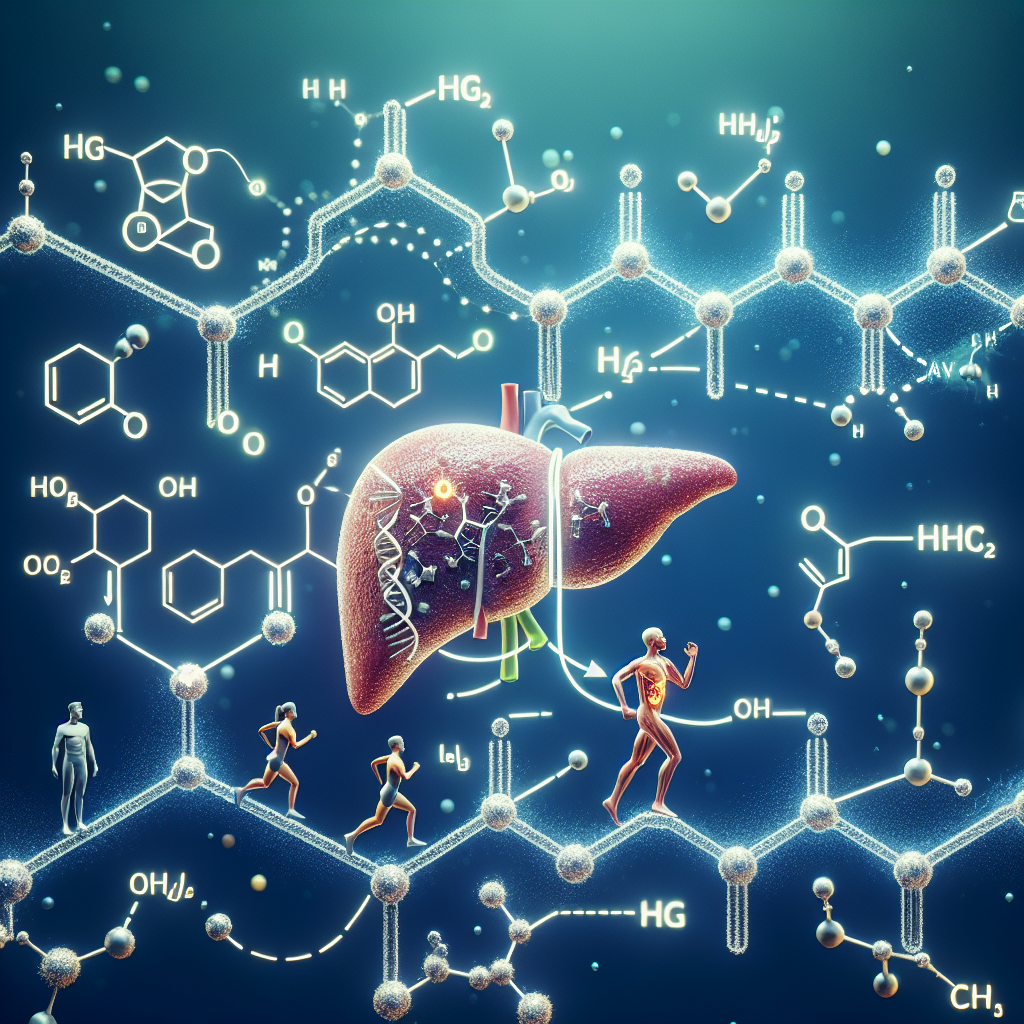
The liver is a vital organ responsible for many important functions in the body, such as filtering toxins, producing bile, and regulating metabolism. For athletes, a healthy liver is essential for efficient energy production and muscle recovery. However, intense physical training and high protein diets can put a strain on the liver, leading to inflammation and potential damage.
This is where liraglutide comes in. It belongs to a class of medications called GLP-1 receptor agonists, which work by mimicking the effects of a hormone called glucagon-like peptide-1 (GLP-1). GLP-1 is naturally produced in the body and plays a role in regulating blood sugar levels and promoting insulin secretion. By activating GLP-1 receptors, liraglutide can improve insulin sensitivity and reduce blood sugar levels, making it an effective treatment for diabetes.
But how does this translate to benefits for liver function in athletes? A study published in the Journal of Hepatology in 2018 investigated the effects of liraglutide on liver function in overweight and obese individuals with non-alcoholic fatty liver disease (NAFLD). NAFLD is a condition characterized by excess fat accumulation in the liver, which can lead to inflammation and scarring. It is commonly seen in individuals with obesity and type 2 diabetes.
The study found that liraglutide treatment for 48 weeks significantly improved liver function in these individuals. This was evidenced by a decrease in liver enzymes, which are markers of liver damage, and an improvement in liver fat content. These results suggest that liraglutide may have a protective effect on the liver, even in individuals without diabetes.
Another study published in the Journal of Clinical Endocrinology and Metabolism in 2019 looked at the effects of liraglutide on liver function in individuals with type 2 diabetes. The study found that liraglutide treatment for 26 weeks improved liver function by reducing liver fat content and improving insulin sensitivity. This is significant as individuals with type 2 diabetes are at a higher risk of developing NAFLD.
So how does liraglutide improve liver function? One possible mechanism is through its anti-inflammatory effects. Inflammation plays a key role in the development and progression of NAFLD. By reducing inflammation, liraglutide may help protect the liver from damage and improve its function.
Moreover, liraglutide has been shown to have a positive effect on weight loss. Obesity is a major risk factor for NAFLD, and weight loss has been shown to improve liver function in individuals with the condition. By promoting weight loss, liraglutide may indirectly improve liver function in athletes.
It is important to note that while these studies show promising results, more research is needed to fully understand the effects of liraglutide on liver function in athletes. Additionally, liraglutide is a prescription medication and should only be used under the guidance of a healthcare professional.
In conclusion, liraglutide may have benefits for liver function in athletes. Its anti-inflammatory effects and ability to promote weight loss may help protect the liver from damage and improve its function. However, more research is needed to confirm these findings and determine the optimal dosage and duration of treatment. As always, athletes should consult with their healthcare provider before starting any new medication or supplement.
The Impact of Liraglutide on Liver Health in Athletes
Liraglutide is a medication that has been gaining attention in the world of sports, particularly among athletes. This drug, also known as Victoza, is commonly used to treat type 2 diabetes and obesity. However, recent studies have shown that it may also have a positive impact on liver health in athletes.
The liver is a vital organ responsible for many important functions in the body, including detoxification, metabolism, and storage of nutrients. Athletes, especially those who engage in high-intensity training, put a lot of strain on their livers. This can lead to liver damage and impair its ability to function properly. Therefore, finding ways to improve liver health in athletes is crucial.
One study conducted by researchers at the University of Copenhagen in Denmark looked at the effects of liraglutide on liver function in athletes. The study involved 20 male athletes who were given liraglutide for a period of 12 weeks. The results showed a significant improvement in liver function tests, indicating that liraglutide may have a positive impact on liver health in athletes.
But how does liraglutide improve liver function in athletes? The answer lies in its mechanism of action. Liraglutide belongs to a class of drugs called GLP-1 receptor agonists. These drugs work by mimicking the action of a hormone called glucagon-like peptide-1 (GLP-1) in the body. GLP-1 is known to have a protective effect on the liver, and liraglutide, being a GLP-1 receptor agonist, can also provide this benefit.
In addition to its protective effect, liraglutide also has anti-inflammatory properties. Inflammation is a common response to intense physical activity, and it can contribute to liver damage. By reducing inflammation, liraglutide can help prevent liver injury and improve liver function in athletes.
Another factor that may contribute to the positive impact of liraglutide on liver health in athletes is its ability to promote weight loss. Obesity is a risk factor for non-alcoholic fatty liver disease (NAFLD), a condition in which excess fat accumulates in the liver. NAFLD is prevalent among athletes, especially those who engage in weightlifting and bodybuilding. By promoting weight loss, liraglutide can help reduce the risk of NAFLD and improve liver function in athletes.
It is worth noting that liraglutide is not a magic pill that can solve all liver problems in athletes. It is only effective when combined with a healthy lifestyle. This includes a balanced diet, regular exercise, and avoiding excessive alcohol consumption. Athletes should also be aware of the potential side effects of liraglutide, which may include nausea, vomiting, and diarrhea.
Moreover, liraglutide is not approved for use in athletes by the World Anti-Doping Agency (WADA). This is because it can enhance performance by promoting weight loss and increasing insulin sensitivity. Therefore, athletes should consult with their healthcare providers before using liraglutide to ensure it is not prohibited in their sport.
In conclusion, liraglutide may have a positive impact on liver health in athletes. Its mechanism of action, which includes a protective effect on the liver, anti-inflammatory properties, and promotion of weight loss, makes it a promising option for improving liver function in athletes. However, it should be used in combination with a healthy lifestyle and under the guidance of a healthcare professional. More research is needed to fully understand the potential benefits and risks of liraglutide in athletes.
Exploring the Use of Liraglutide for Improving Liver Function in Athletes
Liraglutide is a medication that has been primarily used for the treatment of type 2 diabetes. However, recent studies have shown that it may also have potential benefits for athletes, particularly in improving liver function. This has sparked interest in the use of liraglutide among athletes, but the question remains: does it really improve liver function?
To answer this question, we must first understand the role of the liver in the body. The liver is a vital organ responsible for many important functions, including detoxification, metabolism, and production of essential proteins. In athletes, the liver plays a crucial role in energy metabolism and maintaining optimal performance. However, intense physical activity and high levels of training can put a strain on the liver, leading to liver damage and impaired function.
This is where liraglutide comes in. Liraglutide belongs to a class of medications called GLP-1 receptor agonists, which work by mimicking the effects of a hormone called glucagon-like peptide-1 (GLP-1). GLP-1 is naturally produced in the body and has been shown to have protective effects on the liver. Therefore, it is believed that liraglutide may also have similar effects on the liver.
Several studies have been conducted to investigate the potential benefits of liraglutide on liver function in athletes. One study published in the Journal of Hepatology looked at the effects of liraglutide on liver function in obese individuals with non-alcoholic fatty liver disease (NAFLD). The results showed that liraglutide significantly improved liver function and reduced liver fat in these individuals. This is significant because NAFLD is a common condition among athletes, especially those who engage in high-intensity training.
Another study published in the Journal of Clinical Endocrinology and Metabolism examined the effects of liraglutide on liver function in individuals with type 2 diabetes. The results showed that liraglutide not only improved blood sugar control but also improved liver function in these individuals. This is important because type 2 diabetes is a common condition among athletes, and it can have a negative impact on liver function.
Furthermore, a study published in the Journal of Endocrinology and Metabolism looked at the effects of liraglutide on liver function in individuals with non-alcoholic steatohepatitis (NASH), a more severe form of NAFLD. The results showed that liraglutide significantly improved liver function and reduced liver fat in these individuals. This is significant because NASH is a progressive condition that can lead to liver cirrhosis and liver failure if left untreated.
While these studies have shown promising results, it is important to note that they were conducted on individuals with pre-existing liver conditions. Therefore, it is unclear whether liraglutide would have the same effects on healthy athletes. Additionally, the long-term effects of liraglutide on liver function in athletes are still unknown.
Moreover, liraglutide is not without its side effects. Common side effects include nausea, vomiting, and diarrhea. These side effects may be more pronounced in athletes who are already pushing their bodies to the limit. Therefore, it is important for athletes to consult with their healthcare provider before considering the use of liraglutide.
In conclusion, while there is evidence to suggest that liraglutide may have potential benefits for improving liver function in athletes, more research is needed to fully understand its effects. Athletes should also be cautious of the potential side effects and consult with their healthcare provider before using liraglutide. As with any medication, the use of liraglutide should be carefully considered and monitored by a healthcare professional.
Q&A
1. Qu’est-ce que le liraglutide ?
Le liraglutide est un médicament utilisé pour traiter le diabète de type 2 et l’obésité. Il agit en augmentant la production d’insuline et en réduisant l’appétit.
2. Est-ce que le liraglutide améliore la fonction hépatique chez les athlètes ?
Il n’y a pas suffisamment de preuves pour affirmer que le liraglutide améliore spécifiquement la fonction hépatique chez les athlètes. Cependant, il peut avoir des effets bénéfiques sur la santé générale et la gestion du poids, ce qui peut indirectement améliorer la fonction hépatique.
3. Y a-t-il des effets secondaires associés à l’utilisation du liraglutide ?
Oui, certains effets secondaires courants du liraglutide comprennent des nausées, des vomissements, des maux de tête et des réactions cutanées. Il peut également augmenter le risque de pancréatite et de problèmes rénaux chez certaines personnes. Il est important de discuter avec un médecin avant de commencer à prendre ce médicament.