-
Table of Contents
« Boost your blood flow and performance with testosterone enanthate. »
Introduction
Testosterone enanthate is a synthetic form of the male hormone testosterone that is commonly used in hormone replacement therapy and for bodybuilding purposes. One of the effects of testosterone enanthate is its influence on the circulation of blood in the body. In this article, we will explore the impact of testosterone enanthate on blood circulation and its potential benefits and risks.
Benefits of Testosterone Enanthate on Blood Flow
Testosterone is a hormone that plays a crucial role in the development and maintenance of male characteristics. It is responsible for regulating muscle mass, bone density, and red blood cell production. However, as men age, their testosterone levels naturally decline, leading to a variety of health issues. To combat this, many men turn to testosterone replacement therapy, which involves the use of synthetic testosterone to boost levels in the body. One form of testosterone commonly used in therapy is testosterone enanthate, which has been found to have a positive impact on blood flow.
Testosterone enanthate is a slow-acting ester of testosterone that is injected into the muscle and gradually released into the bloodstream. It is commonly used in testosterone replacement therapy due to its long-lasting effects and ease of administration. But beyond its role in increasing testosterone levels, testosterone enanthate has also been found to have a significant influence on blood flow.
One of the main benefits of testosterone enanthate on blood flow is its ability to improve cardiovascular health. Testosterone has been shown to have a vasodilatory effect, meaning it widens blood vessels and allows for better blood flow. This is especially important for men with low testosterone levels, as they are at a higher risk of developing cardiovascular diseases such as heart attacks and strokes. By increasing blood flow, testosterone enanthate can help reduce the risk of these conditions and improve overall cardiovascular health.
In addition to its vasodilatory effects, testosterone enanthate has also been found to increase the production of nitric oxide in the body. Nitric oxide is a molecule that helps relax blood vessels and improve blood flow. Studies have shown that testosterone enanthate can significantly increase nitric oxide levels, leading to improved blood flow and better overall circulation. This is particularly beneficial for men with conditions such as erectile dysfunction, as improved blood flow can help with achieving and maintaining erections.
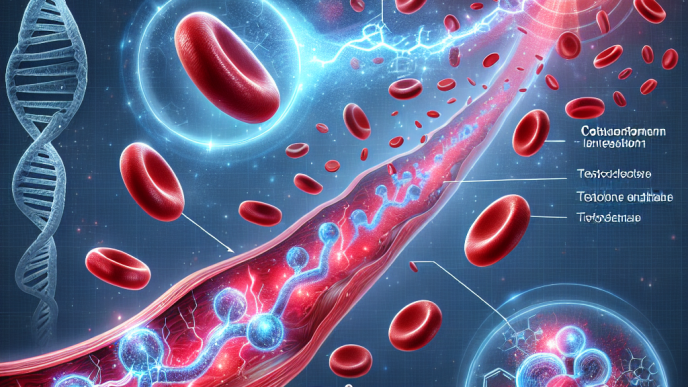
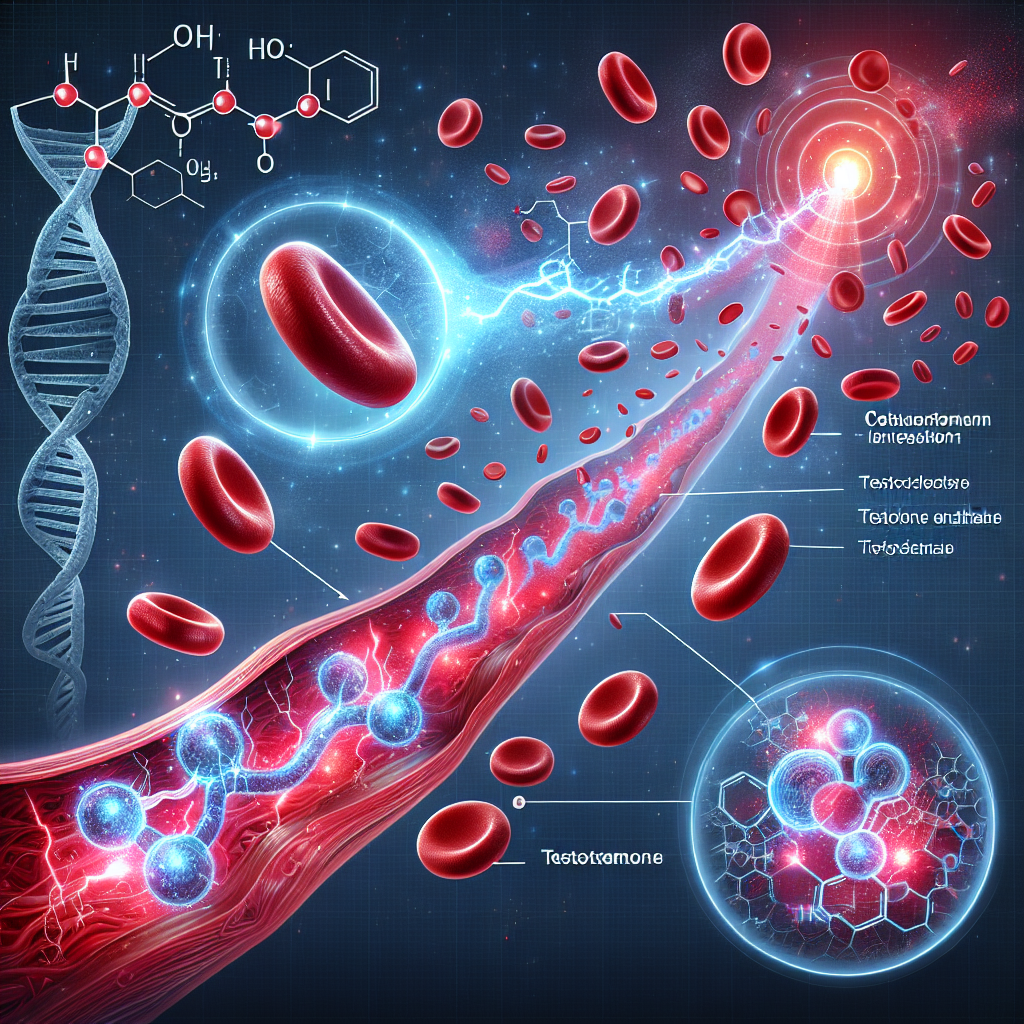
Another way in which testosterone enanthate can improve blood flow is by increasing the production of red blood cells. Testosterone is known to stimulate the production of erythropoietin, a hormone that stimulates the bone marrow to produce red blood cells. Red blood cells are responsible for carrying oxygen to the body’s tissues, and an increase in their production can lead to improved oxygen delivery and better blood flow. This is especially beneficial for athletes and bodybuilders, as it can enhance their performance and endurance.
Moreover, testosterone enanthate has been found to have a positive impact on blood lipid levels. Low testosterone levels have been linked to an increase in bad cholesterol (LDL) and a decrease in good cholesterol (HDL). This imbalance can lead to the buildup of plaque in the arteries, restricting blood flow and increasing the risk of heart disease. Testosterone enanthate has been shown to improve lipid profiles by increasing HDL levels and decreasing LDL levels, leading to better blood flow and reduced risk of cardiovascular diseases.
In conclusion, testosterone enanthate has numerous benefits on blood flow. Its ability to improve cardiovascular health, increase nitric oxide production, stimulate red blood cell production, and improve lipid profiles all contribute to better blood flow and circulation. This is especially important for men with low testosterone levels, as they are at a higher risk of developing cardiovascular diseases. However, it is essential to note that testosterone enanthate should only be used under the supervision of a healthcare professional, as it can have potential side effects. But when used correctly, it can be a valuable tool in improving blood flow and overall health.
The Impact of Testosterone Enanthate on Circulatory Health
Testosterone is a hormone that plays a crucial role in the development and maintenance of male characteristics. It is responsible for the growth of facial and body hair, deepening of the voice, and muscle mass development. However, testosterone is not only important for physical appearance, but it also has a significant impact on overall health, including circulatory health.
One of the most commonly used forms of testosterone is testosterone enanthate. This synthetic form of testosterone is often prescribed to treat conditions such as hypogonadism, where the body does not produce enough testosterone. It is also used by athletes and bodybuilders to enhance performance and muscle growth. However, the use of testosterone enanthate has been linked to potential negative effects on circulatory health.
Testosterone enanthate is administered through intramuscular injections, which can cause a sudden spike in testosterone levels. This spike can lead to an increase in red blood cell production, also known as erythrocytosis. While red blood cells are essential for oxygen transport in the body, too many of them can thicken the blood, making it harder for it to flow through the blood vessels. This thickening of the blood can increase the risk of blood clots, which can lead to serious health complications such as heart attacks and strokes.
Moreover, testosterone enanthate has been shown to have a negative impact on cholesterol levels. Cholesterol is a type of fat that is essential for the production of hormones and cell membranes. However, there are two types of cholesterol: high-density lipoprotein (HDL) and low-density lipoprotein (LDL). HDL is known as the « good » cholesterol, while LDL is known as the « bad » cholesterol. Testosterone enanthate has been found to decrease HDL levels and increase LDL levels, which can lead to a buildup of plaque in the arteries, increasing the risk of heart disease.
In addition to these potential negative effects on circulatory health, testosterone enanthate has also been linked to an increase in blood pressure. Testosterone is known to have a vasodilatory effect, meaning it relaxes the blood vessels, allowing for better blood flow. However, when testosterone levels are artificially increased through the use of testosterone enanthate, this vasodilatory effect can become exaggerated, leading to a decrease in blood pressure. This sudden drop in blood pressure can cause dizziness, fainting, and even heart palpitations.
Furthermore, testosterone enanthate has been shown to have a negative impact on the lining of the blood vessels, known as the endothelium. The endothelium plays a crucial role in regulating blood flow and maintaining the health of the blood vessels. Testosterone enanthate has been found to impair the function of the endothelium, leading to a decrease in blood vessel flexibility and an increase in inflammation. This can further contribute to the development of cardiovascular diseases.
It is essential to note that the impact of testosterone enanthate on circulatory health may vary from person to person. Factors such as age, dosage, and pre-existing health conditions can all play a role in how an individual responds to testosterone enanthate. However, it is crucial to monitor circulatory health regularly when using testosterone enanthate, especially for those with pre-existing cardiovascular conditions.
In conclusion, while testosterone enanthate may have its benefits, it is essential to be aware of its potential negative effects on circulatory health. The sudden spike in testosterone levels, changes in cholesterol levels, and blood pressure can all have a significant impact on the health of the circulatory system. It is crucial to consult with a healthcare professional before starting any testosterone therapy and to monitor circulatory health regularly while using testosterone enanthate. Maintaining a healthy lifestyle, including regular exercise and a balanced diet, can also help mitigate the potential negative effects of testosterone enanthate on circulatory health.
Understanding the Relationship Between Testosterone Enanthate and Blood Circulation
Testosterone is a hormone that plays a crucial role in the development and maintenance of male characteristics. It is responsible for regulating various bodily functions, including muscle mass, bone density, and sex drive. Testosterone levels can also have a significant impact on blood circulation, and one form of testosterone, enanthate, has been studied for its effects on the cardiovascular system.
Enanthate is a synthetic form of testosterone that is commonly used in hormone replacement therapy for men with low testosterone levels. It is also used by bodybuilders and athletes to increase muscle mass and improve performance. However, the use of enanthate has been linked to potential cardiovascular risks, particularly in high doses.
One of the primary ways in which enanthate affects blood circulation is through its impact on red blood cell production. Testosterone stimulates the production of red blood cells, which are responsible for carrying oxygen to the body’s tissues. This increase in red blood cells can improve oxygen delivery to muscles, enhancing athletic performance. However, excessive levels of red blood cells can also thicken the blood, making it more difficult for the heart to pump and increasing the risk of blood clots.
In addition to its effects on red blood cells, enanthate can also impact blood pressure. Testosterone has been shown to increase blood pressure by stimulating the production of angiotensin, a hormone that constricts blood vessels. This constriction can lead to an increase in blood pressure, which can put strain on the heart and increase the risk of cardiovascular disease.
Furthermore, enanthate has been linked to changes in cholesterol levels. Testosterone can increase levels of « good » cholesterol (HDL) while decreasing levels of « bad » cholesterol (LDL). However, in high doses, enanthate has been shown to decrease HDL levels and increase LDL levels, which can contribute to the development of atherosclerosis, a condition in which plaque builds up in the arteries, restricting blood flow.
Another way in which enanthate can affect blood circulation is through its impact on blood clotting. Testosterone has been shown to increase the production of clotting factors, which are proteins that help the blood to clot. While this is beneficial in cases of injury, excessive clotting can lead to the formation of blood clots, which can block blood flow and cause serious health problems, such as heart attacks and strokes.
It is essential to note that the effects of enanthate on blood circulation may vary depending on the individual’s age, health status, and dosage. Studies have shown that older men and those with pre-existing cardiovascular conditions may be more susceptible to the negative effects of enanthate on blood circulation. Additionally, higher doses of enanthate have been associated with a higher risk of cardiovascular events.
In conclusion, enanthate can have a significant impact on blood circulation, primarily through its effects on red blood cell production, blood pressure, cholesterol levels, and blood clotting. While testosterone is a vital hormone for many bodily functions, it is crucial to monitor its levels and use enanthate with caution, especially in high doses. Individuals considering enanthate therapy should consult with their healthcare provider and undergo regular check-ups to monitor their cardiovascular health. Maintaining a healthy lifestyle, including regular exercise and a balanced diet, can also help mitigate the potential negative effects of enanthate on blood circulation.
Q&A
1) Quel est l’effet de l’énanthate de testostérone sur la circulation sanguine ?
L’énanthate de testostérone peut augmenter la production de globules rouges dans le corps, ce qui peut améliorer la circulation sanguine.
2) Est-ce que l’énanthate de testostérone peut causer des problèmes de circulation sanguine ?
Oui, l’énanthate de testostérone peut causer des problèmes de circulation sanguine tels que l’hypertension artérielle et la formation de caillots sanguins.
3) Comment l’énanthate de testostérone affecte-t-il la circulation sanguine chez les hommes ?
Chez les hommes, l’énanthate de testostérone peut augmenter la production de globules rouges et améliorer la circulation sanguine, mais il peut également causer des problèmes de circulation sanguine s’il est utilisé à des doses trop élevées. Il est important de suivre les instructions du médecin et de surveiller régulièrement la pression artérielle lors de l’utilisation de ce médicament.