-
Table of Contents
- Introduction
- The Importance of Maintaining a Healthy Skin and Mucous Membrane State: Understanding the Role of Vitamins
- Common Skin and Mucous Membrane Conditions and Their Connection to Vitamin Deficiencies
- How to Improve Skin and Mucous Membrane Health Through Proper Vitamin Supplementation and Diet
- Q&A
« Healthy skin and mucous membranes start with a balanced vitamin profile. »
Introduction
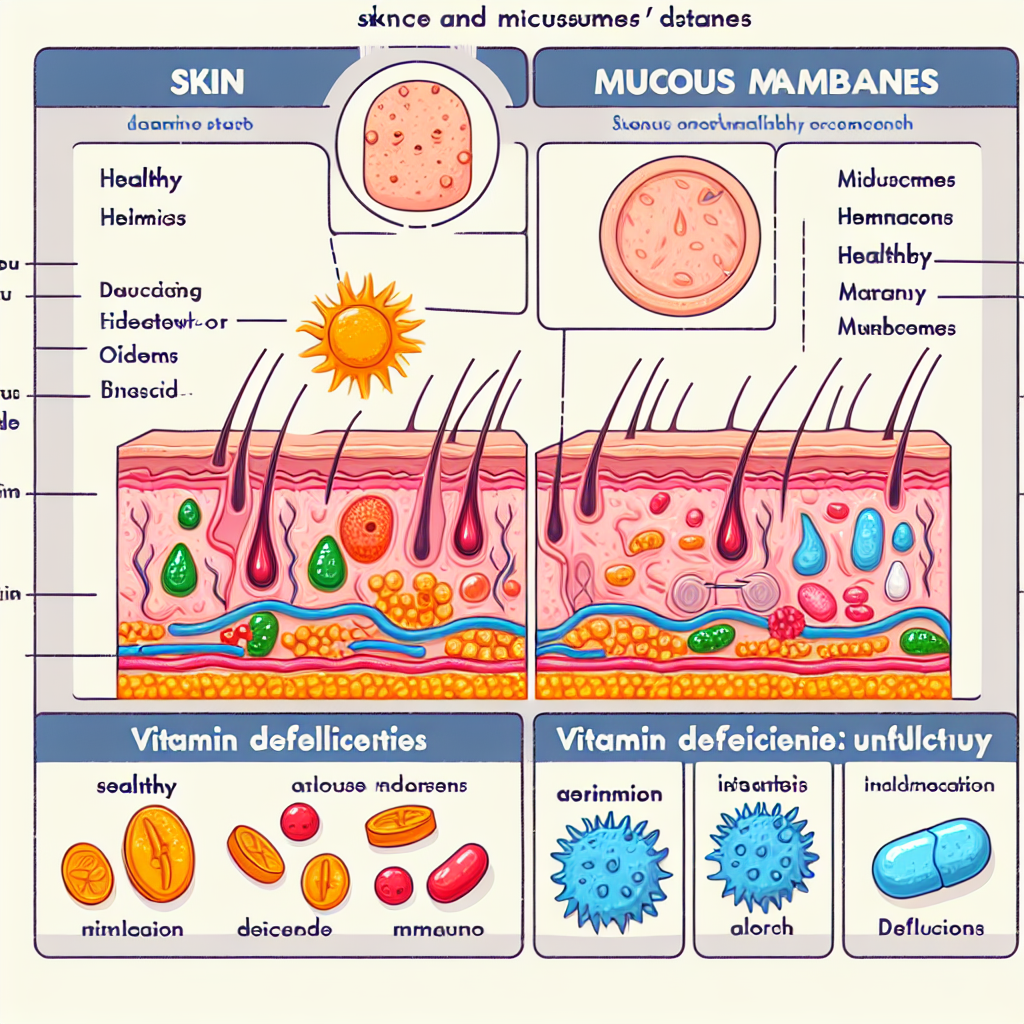
État de la peau et des muqueuses et profil vitaminique are important aspects of overall health and well-being. The skin and mucous membranes serve as a barrier against external threats and play a crucial role in protecting the body from infections. Additionally, the body’s vitamin levels are essential for maintaining various bodily functions and preventing deficiencies. In this context, monitoring the state of the skin and mucous membranes, as well as assessing the vitamin profile, can provide valuable insights into an individual’s health status. In this article, we will explore the significance of État de la peau et des muqueuses et profil vitaminique and how they can impact overall health.
The Importance of Maintaining a Healthy Skin and Mucous Membrane State: Understanding the Role of Vitamins
The skin and mucous membranes are essential components of our body’s defense system. They act as a barrier against harmful external factors such as bacteria, viruses, and pollutants. Therefore, it is crucial to maintain their health to ensure optimal protection. One way to achieve this is by understanding the role of vitamins in maintaining a healthy skin and mucous membrane state.
Vitamins are organic compounds that are essential for the proper functioning of our body. They play a vital role in various physiological processes, including the maintenance of healthy skin and mucous membranes. There are two types of vitamins: water-soluble and fat-soluble. Water-soluble vitamins, such as vitamin C and B-complex, are not stored in the body and need to be replenished regularly. On the other hand, fat-soluble vitamins, such as vitamins A, D, E, and K, are stored in the body’s fat tissues and can be used when needed.
Vitamin A is essential for maintaining healthy skin and mucous membranes. It plays a crucial role in the production of new skin cells, which helps in wound healing and maintaining the integrity of the mucous membranes. Vitamin A deficiency can lead to dry, flaky skin, and a weakened immune system, making the body more susceptible to infections. Good sources of vitamin A include carrots, sweet potatoes, spinach, and liver.
Vitamin C is another vital nutrient for healthy skin and mucous membranes. It is a powerful antioxidant that helps protect the skin from damage caused by free radicals. It also plays a crucial role in collagen production, which is essential for maintaining skin elasticity and preventing wrinkles. Vitamin C deficiency can lead to dry, rough skin, and slow wound healing. Citrus fruits, bell peppers, and broccoli are excellent sources of vitamin C.
The B-complex vitamins, including B1, B2, B3, B5, B6, B7, B9, and B12, are essential for maintaining healthy skin and mucous membranes. They play a crucial role in cell metabolism, which is necessary for the growth and repair of skin cells. B-complex vitamins also help in the production of sebum, the skin’s natural oil, which keeps the skin moisturized and prevents dryness. Deficiency in B vitamins can lead to various skin problems, including dermatitis and eczema. Whole grains, legumes, and leafy greens are excellent sources of B-complex vitamins.
Vitamin D is essential for maintaining healthy skin and mucous membranes. It plays a crucial role in regulating the immune system and promoting wound healing. Vitamin D deficiency can lead to dry, itchy skin, and a weakened immune system, making the body more susceptible to infections. The best source of vitamin D is sunlight, but it can also be found in fatty fish, egg yolks, and fortified dairy products.
Vitamin E is a powerful antioxidant that helps protect the skin from damage caused by free radicals. It also plays a crucial role in maintaining skin elasticity and preventing wrinkles. Vitamin E deficiency can lead to dry, rough skin and premature aging. Good sources of vitamin E include nuts, seeds, and vegetable oils.
Lastly, vitamin K is essential for maintaining healthy skin and mucous membranes. It plays a crucial role in blood clotting, which is necessary for wound healing. Vitamin K deficiency can lead to excessive bleeding and delayed wound healing. Green leafy vegetables, such as spinach and kale, are excellent sources of vitamin K.
In conclusion, maintaining a healthy skin and mucous membrane state is crucial for our overall well-being. Vitamins play a vital role in achieving this, and a deficiency in any of these essential nutrients can lead to various skin problems and a weakened immune system. Therefore, it is essential to consume a balanced diet that includes a variety of fruits, vegetables, whole grains, and healthy fats to ensure an adequate intake of vitamins. Additionally, consulting a healthcare professional and taking vitamin supplements may be necessary for individuals with specific deficiencies. By understanding the role of vitamins in maintaining a healthy skin and mucous membrane state, we can take the necessary steps to protect and nourish our body’s first line of defense.
Common Skin and Mucous Membrane Conditions and Their Connection to Vitamin Deficiencies
The skin and mucous membranes are essential parts of our body that serve as a protective barrier against external factors. They play a crucial role in maintaining our overall health and well-being. However, these vital components of our body are susceptible to various conditions that can affect their function and appearance. One of the factors that can contribute to these conditions is vitamin deficiencies.
Vitamins are essential nutrients that our body needs to function correctly. They play a vital role in maintaining the health of our skin and mucous membranes. When we lack these essential vitamins, it can lead to various skin and mucous membrane conditions. Let’s take a closer look at some of the common skin and mucous membrane conditions and their connection to vitamin deficiencies.
Dry skin is a prevalent skin condition that affects people of all ages. It is characterized by rough, scaly, and itchy skin. One of the main causes of dry skin is a deficiency in vitamin A. This essential vitamin helps in the production of sebum, which is the natural oil that keeps our skin moisturized. When our body lacks vitamin A, our skin becomes dry and flaky. Including foods rich in vitamin A, such as carrots, sweet potatoes, and leafy greens, can help improve dry skin.
Another common skin condition is acne, which affects millions of people worldwide. Acne is a result of clogged pores, excess oil production, and inflammation. While there are various factors that can contribute to acne, a deficiency in vitamin D has been linked to this skin condition. Vitamin D plays a crucial role in regulating the immune system and reducing inflammation. When our body lacks this essential vitamin, it can lead to an overactive immune response, causing acne breakouts. Consuming foods rich in vitamin D, such as fatty fish, egg yolks, and fortified dairy products, can help improve acne.
Eczema is a chronic skin condition that causes red, itchy, and inflamed skin. It is a result of an overactive immune system and a damaged skin barrier. Vitamin B7, also known as biotin, is essential for maintaining healthy skin and mucous membranes. A deficiency in this vitamin can lead to eczema flare-ups. Including biotin-rich foods, such as eggs, nuts, and whole grains, can help improve eczema symptoms.
Moving on to mucous membrane conditions, one of the most common is dry mouth. This condition is characterized by a lack of saliva production, leading to a dry and uncomfortable feeling in the mouth. Vitamin B3, also known as niacin, plays a crucial role in maintaining the health of our mucous membranes. A deficiency in this vitamin can lead to dry mouth and other oral health issues. Consuming foods rich in niacin, such as poultry, fish, and legumes, can help improve dry mouth.
Another mucous membrane condition that is linked to vitamin deficiencies is oral thrush. This fungal infection is caused by an overgrowth of Candida albicans, a type of yeast that is naturally present in our body. A deficiency in vitamin B12 has been linked to oral thrush. This essential vitamin helps in maintaining a healthy immune system, which can prevent the overgrowth of Candida. Consuming foods rich in vitamin B12, such as meat, fish, and dairy products, can help prevent oral thrush.
In conclusion, our skin and mucous membranes are essential parts of our body that require proper nutrition to function correctly. Vitamin deficiencies can lead to various skin and mucous membrane conditions, such as dry skin, acne, eczema, dry mouth, and oral thrush. Including a variety of nutrient-rich foods in our diet can help prevent these conditions and maintain the health of our skin and mucous membranes. It is essential to consult a healthcare professional if you suspect a vitamin deficiency and to follow a balanced diet to ensure adequate intake of essential vitamins.
How to Improve Skin and Mucous Membrane Health Through Proper Vitamin Supplementation and Diet
The state of our skin and mucous membranes is a reflection of our overall health. These external barriers protect our bodies from harmful pathogens and environmental factors, making it crucial to maintain their health. One way to achieve this is through proper vitamin supplementation and a balanced diet.
Vitamins play a vital role in maintaining the health of our skin and mucous membranes. Vitamin A, for example, is essential for the growth and repair of skin cells. It also helps to regulate the production of sebum, the natural oil that keeps our skin moisturized. A deficiency in vitamin A can lead to dry, flaky skin and even acne. To ensure an adequate intake of vitamin A, include foods such as carrots, sweet potatoes, and leafy greens in your diet.
Another crucial vitamin for skin health is vitamin C. This powerful antioxidant helps to protect our skin from free radical damage, which can lead to premature aging. It also plays a role in collagen production, which is essential for maintaining skin elasticity and firmness. Citrus fruits, bell peppers, and broccoli are excellent sources of vitamin C.
Vitamin E is another antioxidant that is beneficial for skin health. It helps to protect our skin from UV damage and can also aid in the healing of wounds. Nuts, seeds, and vegetable oils are all rich sources of vitamin E. Including these foods in your diet can help to improve the overall health of your skin.
In addition to vitamins, certain minerals are also essential for skin and mucous membrane health. Zinc, for example, is crucial for wound healing and maintaining the integrity of our skin. It also has anti-inflammatory properties, making it beneficial for those with acne-prone skin. Foods such as oysters, beef, and pumpkin seeds are all excellent sources of zinc.
Another mineral that plays a role in skin health is selenium. This antioxidant mineral helps to protect our skin from UV damage and can also aid in the prevention of skin cancer. Brazil nuts, tuna, and eggs are all good sources of selenium.
While vitamin and mineral supplementation can be beneficial, it is essential to remember that a balanced diet is crucial for overall health. A diet rich in fruits, vegetables, whole grains, and lean proteins can provide the necessary vitamins and minerals for healthy skin and mucous membranes.
In addition to proper nutrition, there are other ways to improve the health of our skin and mucous membranes. One of these is by staying hydrated. Drinking enough water helps to keep our skin hydrated and can also aid in the removal of toxins from our body. It is recommended to drink at least eight glasses of water a day for optimal hydration.
Another way to improve skin and mucous membrane health is by avoiding harmful habits such as smoking and excessive alcohol consumption. These habits can lead to premature aging, dry skin, and other skin issues. Quitting smoking and limiting alcohol intake can have a significant impact on the health of our skin and mucous membranes.
In conclusion, the state of our skin and mucous membranes is a reflection of our overall health. Proper vitamin supplementation and a balanced diet are crucial for maintaining their health. Including foods rich in vitamins A, C, and E, as well as minerals like zinc and selenium, can help to improve the health of our skin and mucous membranes. Additionally, staying hydrated and avoiding harmful habits can also contribute to healthy skin and mucous membranes. By taking care of our bodies from the inside out, we can achieve healthy and radiant skin and mucous membranes.
Q&A
1) Qu’est-ce que l’état de la peau et des muqueuses ?
L’état de la peau et des muqueuses fait référence à l’apparence, à la texture et à la santé de la peau et des muqueuses du corps. Cela inclut la peau du visage, du corps, des mains, des pieds, ainsi que les muqueuses des yeux, du nez, de la bouche et des organes génitaux.
2) Pourquoi est-il important de surveiller l’état de la peau et des muqueuses ?
L’état de la peau et des muqueuses peut être un indicateur de la santé globale d’une personne. Des changements dans la texture, la couleur ou l’apparence de la peau et des muqueuses peuvent être le signe de problèmes de santé sous-jacents tels que des carences nutritionnelles, des allergies, des infections ou des maladies auto-immunes.
3) Comment le profil vitaminique peut-il affecter l’état de la peau et des muqueuses ?
Les vitamines jouent un rôle important dans la santé de la peau et des muqueuses. Par exemple, la vitamine C est essentielle pour la production de collagène, qui maintient la peau ferme et élastique. Les carences en vitamine A peuvent entraîner une peau sèche et squameuse, tandis que les carences en vitamine B peuvent causer des lésions cutanées et des ulcères buccaux. Il est donc important de maintenir un profil vitaminique équilibré pour une peau et des muqueuses saines.