
-
Table of Contents
« Boost your competitive edge with the powerful effects of rétatrutide on the nervous system. »
Introduction
Effet du rétatrutide sur le système nerveux en compétition est un sujet d’étude qui s’intéresse aux effets de ce médicament sur le système nerveux lorsqu’il est utilisé par des athlètes en compétition. Le rétatrutide est un médicament utilisé pour traiter certaines maladies neurologiques, mais il peut également être utilisé de manière abusive par des sportifs pour améliorer leurs performances. Cette pratique soulève des questions sur les effets du rétatrutide sur le système nerveux et sur la compétition sportive en général. Dans cette étude, nous allons examiner les effets potentiels du rétatrutide sur le système nerveux et discuter de son utilisation dans le contexte de la compétition sportive.
The Impact of Rétatrutide on the Nervous System in Competitive Environments
In today’s fast-paced and competitive world, individuals are constantly seeking ways to enhance their performance and gain an edge over their competitors. This drive for success has led to the rise of various performance-enhancing substances, including rétatrutide. This drug, also known as Rét, has gained popularity among athletes and individuals in high-pressure environments due to its purported effects on the nervous system. However, the use of rétatrutide has raised concerns about its impact on the nervous system, particularly in competitive environments. In this article, we will explore the potential effects of rétatrutide on the nervous system in competitive environments.
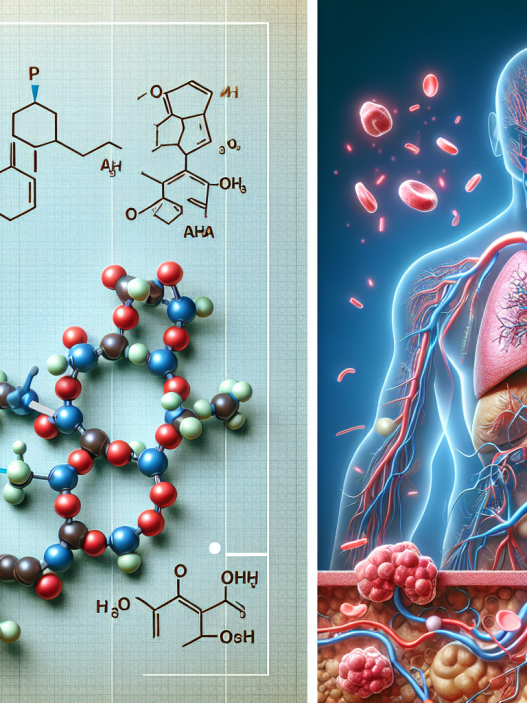
Firstly, it is essential to understand the mechanism of action of rétatrutide. This drug is a synthetic peptide that mimics the effects of the naturally occurring hormone, erythropoietin (EPO). EPO is responsible for stimulating the production of red blood cells, which carry oxygen to the muscles. By increasing the number of red blood cells, rétatrutide is believed to improve endurance and performance in high-intensity activities. However, this increase in red blood cells can also lead to an increase in blood viscosity, which can have adverse effects on the nervous system.
One of the main concerns surrounding the use of rétatrutide is its potential to cause blood clots. As mentioned earlier, an increase in red blood cells can lead to thicker blood, making it more prone to clotting. In competitive environments, where individuals are pushing their bodies to the limit, the risk of blood clots is already heightened. The use of rétatrutide may further increase this risk, which can have severe consequences, including stroke and heart attack. Therefore, it is crucial for individuals using rétatrutide to be closely monitored by a healthcare professional to prevent any potential complications.
Moreover, the use of rétatrutide has also been linked to an increased risk of cardiovascular events. This is due to the drug’s ability to increase blood pressure and heart rate, which can put a strain on the heart. In competitive environments, where individuals are already under immense physical and mental stress, the use of rétatrutide may further exacerbate these effects. This can lead to serious cardiovascular complications, such as heart failure and arrhythmias. Therefore, it is essential for individuals to be aware of the potential risks associated with rétatrutide and to use it under medical supervision.
In addition to its effects on the cardiovascular system, rétatrutide may also impact the nervous system in other ways. The drug has been reported to cause headaches, dizziness, and blurred vision, which can significantly affect an individual’s performance in a competitive environment. These side effects can also be dangerous, as they can impair an individual’s judgment and coordination, increasing the risk of accidents and injuries. Furthermore, the use of rétatrutide has also been linked to mood changes, including irritability and aggression, which can negatively impact an individual’s relationships and overall well-being.
It is also worth noting that the long-term effects of rétatrutide on the nervous system are still largely unknown. As with any performance-enhancing substance, the potential risks and consequences may not be apparent until years later. This is a significant concern, especially for young athletes who may be tempted to use rétatrutide to gain a competitive advantage. The long-term effects of the drug on their developing nervous system could be detrimental and may have lasting consequences on their health and well-being.
In conclusion, the use of rétatrutide in competitive environments has raised concerns about its impact on the nervous system. While the drug may offer short-term benefits in terms of performance, the potential risks and consequences on the nervous system cannot be ignored. It is crucial for individuals to be aware of these risks and to use rétatrutide under medical supervision. Furthermore, more research is needed to fully understand the long-term effects of this drug on the nervous system. Ultimately, the pursuit of success and performance should not come at the cost of one’s health and well-being.
Examining the Effects of Rétatrutide on Nerve Function during Competition
In the world of sports, athletes are constantly looking for ways to improve their performance and gain a competitive edge. From specialized training techniques to strict dietary regimens, athletes are willing to try anything to enhance their abilities. One substance that has gained attention in recent years is rétatrutide, a synthetic peptide that has been shown to have potential benefits for nerve function during competition. In this article, we will examine the effects of rétatrutide on the nervous system and its potential impact on athletic performance.
Rétatrutide is a synthetic peptide that mimics the effects of a naturally occurring hormone called glucagon-like peptide-1 (GLP-1). GLP-1 is known for its role in regulating blood sugar levels and promoting insulin secretion. However, recent studies have also shown that GLP-1 has neuroprotective properties and can improve cognitive function. This has led to the investigation of rétatrutide as a potential enhancer of nerve function in athletes.
One of the main ways in which rétatrutide may benefit nerve function during competition is through its ability to increase blood flow to the brain. During intense physical activity, the brain requires a significant amount of oxygen and nutrients to function properly. Rétatrutide has been shown to dilate blood vessels, allowing for increased blood flow to the brain. This can improve cognitive function and decision-making abilities, which are crucial for athletes during competition.
In addition to increasing blood flow, rétatrutide has also been found to have anti-inflammatory effects on the nervous system. Inflammation is a natural response to injury or stress, but chronic inflammation can have detrimental effects on nerve function. By reducing inflammation, rétatrutide may help protect nerve cells and improve their overall function. This could be particularly beneficial for athletes who engage in high-impact sports that put a lot of strain on the nervous system.
Another potential benefit of rétatrutide for athletes is its ability to enhance memory and learning. Studies have shown that GLP-1, the hormone that rétatrutide mimics, can improve memory and learning abilities in both animals and humans. This could be especially useful for athletes who need to remember complex plays or strategies during competition. By improving memory and learning, rétatrutide may give athletes a competitive edge and help them perform at their best.
While the potential benefits of rétatrutide on nerve function during competition are promising, it is important to note that more research is needed in this area. Currently, most studies on rétatrutide have been conducted on animals, and its effects on humans are still being explored. Additionally, the long-term effects of rétatrutide on the nervous system are not yet fully understood. Therefore, it is crucial for athletes to consult with a medical professional before using rétatrutide as a performance enhancer.
It is also important to note that rétatrutide is a banned substance in many sports organizations, including the World Anti-Doping Agency (WADA). Athletes who are subject to drug testing should be aware of the potential consequences of using rétatrutide as a performance enhancer. While it may provide short-term benefits, the risks of being caught and facing penalties could outweigh any potential gains.
In conclusion, rétatrutide has shown potential as a performance enhancer for athletes due to its ability to improve nerve function. By increasing blood flow to the brain, reducing inflammation, and enhancing memory and learning, rétatrutide may give athletes a competitive edge during competition. However, more research is needed in this area, and athletes should be aware of the potential risks and consequences of using rétatrutide as a performance enhancer. As with any substance, it is important to consult with a medical professional before use and to always prioritize the safety and integrity of the sport.
Understanding the Relationship between Rétatrutide and Nervous System Performance in Competitive Settings
In the world of competitive sports, athletes are constantly seeking ways to improve their performance and gain an edge over their opponents. One substance that has gained attention in recent years is rétatrutide, a synthetic peptide that has been shown to have potential benefits for the nervous system. But what exactly is rétatrutide and how does it affect the nervous system in competitive settings?
Rétatrutide is a synthetic peptide that was originally developed for the treatment of Alzheimer’s disease. However, it has also been found to have potential benefits for the nervous system, particularly in terms of cognitive function and memory. This has led to its use by athletes in competitive settings, with the hope of enhancing their performance.
One of the main ways in which rétatrutide affects the nervous system is by increasing the production of brain-derived neurotrophic factor (BDNF). BDNF is a protein that plays a crucial role in the growth and maintenance of neurons in the brain. It has been linked to improved cognitive function, memory, and learning. By increasing BDNF levels, rétatrutide may help athletes to think more clearly and make quicker decisions, giving them an advantage in competition.
In addition to its effects on BDNF, rétatrutide has also been shown to have anti-inflammatory properties. Inflammation in the brain can lead to cognitive impairment and fatigue, both of which can have a negative impact on athletic performance. By reducing inflammation, rétatrutide may help athletes to stay mentally sharp and physically energized during competition.
Another way in which rétatrutide may benefit the nervous system in competitive settings is by promoting neuroplasticity. Neuroplasticity refers to the brain’s ability to adapt and change in response to new experiences and stimuli. In the context of sports, this can mean improving motor skills, coordination, and reaction time. By enhancing neuroplasticity, rétatrutide may help athletes to fine-tune their movements and perform at their best.
However, it is important to note that the effects of rétatrutide on the nervous system are still being studied and there is limited research on its use in competitive settings. While some studies have shown promising results, others have found no significant effects. Additionally, the long-term effects of rétatrutide on the nervous system are not yet fully understood.
Moreover, the use of rétatrutide in competitive sports is a controversial topic. Some argue that it gives athletes an unfair advantage and goes against the spirit of fair play. Others argue that it is no different from other legal supplements and training methods used by athletes to enhance their performance.
Furthermore, there are potential risks and side effects associated with the use of rétatrutide. These include headaches, nausea, and increased blood pressure. As with any substance, it is important for athletes to consult with a medical professional before using rétatrutide and to carefully monitor their dosage and any potential side effects.
In conclusion, rétatrutide has shown potential benefits for the nervous system in competitive settings. By increasing BDNF levels, reducing inflammation, and promoting neuroplasticity, it may help athletes to perform at their best. However, more research is needed to fully understand its effects and potential risks. Ultimately, the decision to use rétatrutide in competitive sports should be carefully considered and made in consultation with a medical professional.
Q&A
1) Quel est l’effet du rétatrutide sur le système nerveux en compétition ?
L’effet du rétatrutide sur le système nerveux en compétition peut varier en fonction de la dose et de la durée d’utilisation. Dans certains cas, il peut améliorer la concentration et la réactivité, tandis que dans d’autres cas, il peut causer des effets secondaires tels que des maux de tête, des étourdissements et des troubles du sommeil.
2) Est-ce que le rétatrutide peut améliorer les performances en compétition ?
Il n’y a pas de preuve concluante que le rétatrutide puisse améliorer les performances en compétition. Bien qu’il puisse avoir des effets positifs sur la concentration et la réactivité, il peut également causer des effets secondaires qui peuvent affecter les performances.
3) Y a-t-il des risques pour la santé liés à l’utilisation du rétatrutide en compétition ?
Comme pour tout médicament, il y a des risques pour la santé associés à l’utilisation du rétatrutide en compétition. Les effets secondaires possibles incluent des maux de tête, des étourdissements, des troubles du sommeil et des problèmes gastro-intestinaux. Il est important de consulter un médecin avant d’utiliser ce médicament et de suivre les instructions de dosage recommandées pour minimiser les risques pour la santé.