
-
Table of Contents
« Boostez votre récupération avec le magnésium, l’allié naturel des sportifs. »
Introduction
Magnesium is an essential mineral that plays a crucial role in various bodily functions, including muscle and nerve function, energy production, and bone health. In recent years, there has been growing interest in the potential effects of magnesium on athletic performance and recovery. Specifically, researchers have been investigating the impact of magnesium on the speed of recovery after competitions. In this article, we will explore the current research on the subject and discuss the potential benefits of magnesium for athletes looking to optimize their recovery process.
Benefits of Magnesium for Post-Competition Recovery
Magnesium is an essential mineral that plays a crucial role in various bodily functions. It is involved in over 300 biochemical reactions in the body, including energy production, muscle and nerve function, and protein synthesis. As athletes, our bodies are constantly under physical stress, especially during competitions. This stress can lead to muscle fatigue, soreness, and even injury. Therefore, proper post-competition recovery is crucial for athletes to maintain their performance and prevent injuries. In recent years, there has been a growing interest in the role of magnesium in post-competition recovery. In this article, we will explore the benefits of magnesium for post-competition recovery and how it can help athletes bounce back faster.
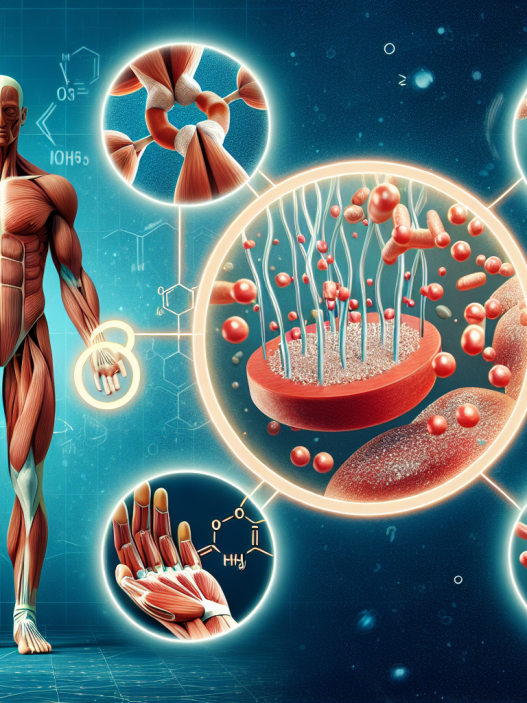
One of the main benefits of magnesium for post-competition recovery is its ability to reduce muscle soreness and fatigue. During intense physical activity, our muscles use up a significant amount of magnesium. This depletion of magnesium can lead to muscle cramps, soreness, and fatigue. Studies have shown that supplementing with magnesium after exercise can help reduce these symptoms and improve muscle recovery. This is because magnesium plays a crucial role in muscle relaxation and contraction. It helps regulate the levels of calcium, which is essential for muscle contraction. Therefore, by replenishing the body’s magnesium levels, athletes can experience faster recovery and reduced muscle soreness.
In addition to reducing muscle soreness, magnesium also plays a vital role in repairing and rebuilding muscle tissue. After intense physical activity, our muscles experience micro-tears, which is a normal part of the muscle-building process. However, for these muscles to repair and grow stronger, they need proper nutrients, including magnesium. Magnesium is involved in protein synthesis, which is the process of building and repairing muscle tissue. Therefore, by supplementing with magnesium after competitions, athletes can promote muscle recovery and growth.
Moreover, magnesium has anti-inflammatory properties, which can be beneficial for post-competition recovery. Inflammation is a natural response to physical stress and is necessary for the body to heal. However, excessive inflammation can delay the recovery process and lead to chronic injuries. Magnesium has been shown to reduce inflammation by inhibiting the production of inflammatory markers. This can help athletes recover faster and prevent long-term damage to their muscles and joints.
Another benefit of magnesium for post-competition recovery is its role in energy production. As athletes, we rely on our energy stores to perform at our best during competitions. However, intense physical activity can deplete these energy stores, leaving us feeling fatigued and drained. Magnesium is involved in the production of adenosine triphosphate (ATP), which is the primary source of energy for our cells. By supplementing with magnesium, athletes can replenish their energy stores and feel more energized and ready for their next competition.
Furthermore, magnesium can also improve sleep quality, which is crucial for post-competition recovery. During sleep, our bodies repair and regenerate damaged tissues, including muscles. However, physical stress and magnesium deficiency can disrupt our sleep patterns, leading to poor sleep quality. Studies have shown that magnesium supplementation can improve sleep quality by promoting relaxation and reducing stress hormones. This can help athletes get the rest they need to recover and perform at their best.
In conclusion, magnesium plays a crucial role in post-competition recovery for athletes. Its ability to reduce muscle soreness and fatigue, promote muscle repair and growth, reduce inflammation, and improve energy production and sleep quality make it a valuable nutrient for athletes. However, it is essential to note that each athlete’s magnesium needs may vary, and it is best to consult a healthcare professional before starting any supplementation. With proper magnesium intake, athletes can experience faster recovery, improved performance, and reduced risk of injuries.
The Role of Magnesium in Muscle Repair and Regeneration
Magnesium is an essential mineral that plays a crucial role in various bodily functions. It is involved in over 300 biochemical reactions in the body, including muscle contraction, nerve function, and energy production. As an athlete, it is important to understand the impact of magnesium on muscle repair and regeneration, especially after intense competitions.
During high-intensity exercise, our muscles undergo a significant amount of stress and damage. This damage is necessary for muscle growth and adaptation, but it also leads to soreness and fatigue. The body has a natural repair and regeneration process to heal these damaged muscles, but it requires certain nutrients, including magnesium.
One of the main functions of magnesium in muscle repair is its role in protein synthesis. Protein synthesis is the process by which our bodies build and repair muscle tissue. Magnesium is a co-factor for many enzymes involved in this process, making it essential for proper muscle repair and growth.
In addition to protein synthesis, magnesium also plays a crucial role in energy production. During exercise, our muscles require a significant amount of energy to perform. Magnesium is involved in the production of ATP (adenosine triphosphate), the primary source of energy for our muscles. Without adequate magnesium levels, our muscles may not have enough energy to repair and regenerate effectively.
Furthermore, magnesium is also involved in the regulation of calcium levels in our muscles. Calcium is essential for muscle contraction, but too much of it can lead to muscle cramps and spasms. Magnesium helps to balance calcium levels, preventing these unwanted muscle contractions and promoting proper muscle function.
Studies have shown that magnesium supplementation can improve muscle recovery and reduce muscle soreness after intense exercise. In a study published in the Journal of Sports Science and Medicine, researchers found that athletes who took magnesium supplements for four weeks had a significant decrease in muscle soreness compared to those who took a placebo.
Moreover, magnesium has also been shown to have anti-inflammatory properties, which can aid in muscle recovery. Inflammation is a natural response to muscle damage, but excessive inflammation can delay the healing process. Magnesium helps to regulate the body’s inflammatory response, promoting faster recovery and reducing the risk of injury.
Aside from its role in muscle repair and regeneration, magnesium also has other benefits for athletes. It can improve sleep quality, reduce stress and anxiety, and enhance exercise performance. All of these factors contribute to better overall recovery after competitions.
It is important to note that magnesium deficiency is common among athletes, especially those who engage in high-intensity training. Sweating, which is a natural response to exercise, can lead to the loss of magnesium through the skin. Furthermore, a diet high in processed foods and low in magnesium-rich foods can also contribute to deficiency.
To ensure adequate magnesium levels, athletes should focus on consuming a balanced diet that includes magnesium-rich foods such as leafy greens, nuts, seeds, and whole grains. Supplementation may also be necessary, especially for those who have a higher magnesium requirement due to intense training.
In conclusion, magnesium plays a crucial role in muscle repair and regeneration after competitions. It is involved in protein synthesis, energy production, and inflammation regulation, all of which are essential for proper muscle recovery. Athletes should pay attention to their magnesium intake to ensure optimal performance and faster recovery after intense exercise. With the right nutrition and supplementation, magnesium can be a valuable tool for athletes looking to improve their overall performance and well-being.
Maximizing Athletic Performance with Magnesium Supplementation
Magnesium is an essential mineral that plays a crucial role in various bodily functions, including muscle contraction, nerve function, and energy production. It is also known to have a significant impact on athletic performance, particularly in terms of recovery after competitions. In this article, we will explore the effects of magnesium on the speed of recovery after competitions and how supplementation can help maximize athletic performance.
Firstly, let’s understand why recovery after competitions is essential for athletes. During intense physical activity, the body uses up its energy stores and produces metabolic waste products, such as lactic acid. These waste products can cause muscle soreness, fatigue, and even injury if not properly flushed out of the body. Therefore, proper recovery is crucial for athletes to replenish their energy stores, repair damaged tissues, and eliminate waste products.
One of the ways magnesium aids in recovery is by regulating muscle contraction and relaxation. During exercise, the body’s demand for magnesium increases as it is required for the production of adenosine triphosphate (ATP), the primary source of energy for muscle contraction. Without sufficient magnesium, the muscles may not be able to contract and relax efficiently, leading to fatigue and decreased performance. Therefore, supplementing with magnesium can help replenish the body’s magnesium stores and improve muscle function, leading to faster recovery after competitions.
Moreover, magnesium also plays a vital role in reducing inflammation and oxidative stress in the body. Intense physical activity can cause micro-tears in the muscles, leading to inflammation and oxidative stress. These can impair muscle function and delay recovery. However, magnesium has been shown to have anti-inflammatory and antioxidant properties, which can help reduce inflammation and oxidative stress, promoting faster recovery. Additionally, magnesium can also help regulate the body’s stress response, which can be heightened during competitions, leading to faster recovery.
Furthermore, magnesium is essential for proper nerve function, which is crucial for muscle coordination and movement. During competitions, athletes must have precise and coordinated movements to perform at their best. However, fatigue and muscle soreness can impair nerve function, leading to decreased performance. Supplementing with magnesium can help maintain proper nerve function, leading to improved muscle coordination and faster recovery after competitions.
In addition to its direct effects on recovery, magnesium can also indirectly impact athletic performance by improving sleep quality. Adequate sleep is crucial for athletes as it allows the body to repair and recover from the physical demands of training and competitions. However, intense physical activity can disrupt sleep patterns, leading to poor sleep quality. Magnesium has been shown to have a calming effect on the body, promoting relaxation and better sleep quality. By improving sleep, magnesium can help athletes recover faster and perform better in subsequent competitions.
It is worth noting that magnesium supplementation should not be seen as a quick fix for recovery after competitions. It is essential to maintain a well-balanced diet and proper hydration to ensure adequate magnesium intake. However, for athletes who may have increased magnesium requirements due to intense training and competitions, supplementation can be beneficial.
In conclusion, magnesium plays a crucial role in the speed of recovery after competitions. Its effects on muscle function, inflammation, oxidative stress, nerve function, and sleep quality can all contribute to faster recovery and improved athletic performance. Therefore, athletes should consider incorporating magnesium supplementation into their training regimen to maximize their performance and achieve their full potential. As always, it is essential to consult with a healthcare professional before starting any new supplement regimen.
Q&A
1) Quel est l’effet du magnésium sur la vitesse de récupération après les compétitions ?
L’effet du magnésium sur la vitesse de récupération après les compétitions peut varier d’une personne à l’autre. Cependant, de nombreuses études ont montré que le magnésium peut aider à réduire les crampes musculaires et à améliorer la récupération musculaire après un effort intense.
2) Comment le magnésium aide-t-il à accélérer la récupération après les compétitions ?
Le magnésium est un minéral essentiel pour le bon fonctionnement de notre corps, notamment pour la contraction et la relaxation des muscles. Après une compétition, les muscles peuvent être fatigués et endommagés, et le magnésium peut aider à réduire l’inflammation et à favoriser la récupération musculaire.
3) Quelle est la meilleure façon de consommer du magnésium pour optimiser la récupération après les compétitions ?
La meilleure façon de consommer du magnésium pour optimiser la récupération après les compétitions est de maintenir un apport quotidien suffisant en mangeant des aliments riches en magnésium tels que les légumes verts, les noix, les graines et les céréales complètes. Les suppléments de magnésium peuvent également être utiles, mais il est important de consulter un professionnel de la santé pour déterminer la bonne dose pour votre corps. Il est également important de maintenir une hydratation adéquate pour aider à l’absorption du magnésium.