-
Table of Contents
« Boostez votre performance sportive avec nos cours de stéroïdes pour une masse musculaire optimale et un sommeil réparateur, tout en renforçant votre système immunitaire. »
Introduction
Cours de stéroïdes pour l’augmentation de la masse musculaire : sommeil et immunité chez le sportif est un sujet important dans le domaine du sport et de la santé. Les stéroïdes sont souvent utilisés par les athlètes pour augmenter leur masse musculaire et améliorer leurs performances, mais leur utilisation peut également avoir un impact sur le sommeil et l’immunité. Dans ce cours, nous allons explorer les effets des stéroïdes sur le sommeil et le système immunitaire des sportifs, ainsi que les risques et les précautions à prendre lors de leur utilisation. Nous aborderons également des alternatives plus sûres pour atteindre des gains musculaires et des performances optimales.
The Impact of Steroid Use on Sleep Patterns in Athletes
Steroids, also known as anabolic-androgenic steroids (AAS), have been used by athletes for decades to enhance their performance and increase muscle mass. While the use of steroids may provide short-term benefits in terms of physical appearance and athletic performance, it also comes with potential risks and side effects. One of the lesser-known impacts of steroid use is its effect on sleep patterns in athletes.
Sleep is an essential aspect of an athlete’s training and recovery process. It is during sleep that the body repairs and regenerates itself, allowing for optimal physical and mental performance. However, the use of steroids can disrupt this crucial process, leading to various sleep-related issues.
One of the primary ways in which steroids affect sleep is by altering the body’s natural hormone levels. Steroids are synthetic versions of the male hormone testosterone, and when taken in high doses, they can suppress the body’s production of testosterone. This can lead to a decrease in the production of other hormones, such as cortisol and melatonin, which play a crucial role in regulating sleep.
Cortisol, also known as the stress hormone, is responsible for keeping the body alert and awake during the day. However, when its levels are disrupted, it can lead to difficulty falling asleep and staying asleep. On the other hand, melatonin is a hormone that helps regulate the body’s sleep-wake cycle. When its production is affected by steroid use, it can result in irregular sleep patterns and insomnia.
Moreover, steroids can also cause changes in mood and behavior, which can further impact an athlete’s sleep. Many athletes who use steroids report feeling more energetic and aggressive, which can make it challenging to wind down and fall asleep at night. Additionally, the use of steroids has been linked to increased anxiety and irritability, which can also disrupt sleep patterns.
Another factor that can contribute to sleep disturbances in athletes using steroids is the increased training intensity. Steroids are known to enhance muscle growth and strength, which can lead to athletes pushing themselves harder during training. This can result in increased physical and mental fatigue, making it difficult for athletes to get quality sleep.
Furthermore, the use of steroids has been linked to an increased risk of sleep apnea in athletes. Sleep apnea is a sleep disorder characterized by pauses in breathing or shallow breathing during sleep. It can lead to poor sleep quality and daytime fatigue, affecting an athlete’s overall performance.
Aside from the impact on sleep patterns, steroid use can also have a significant effect on the immune system. The immune system is responsible for protecting the body against infections and illnesses, and it plays a crucial role in an athlete’s overall health and performance. However, the use of steroids can suppress the immune system, making athletes more susceptible to infections and illnesses.
Steroids can suppress the production of white blood cells, which are responsible for fighting off infections. This can leave athletes vulnerable to illnesses such as the common cold, flu, and even more severe infections. Moreover, the use of steroids has been linked to an increased risk of developing autoimmune diseases, where the body’s immune system attacks its own tissues.
In conclusion, the use of steroids can have a significant impact on sleep patterns and immune function in athletes. It can disrupt the body’s natural hormone levels, leading to sleep disturbances and increased risk of sleep apnea. Additionally, it can suppress the immune system, making athletes more susceptible to infections and illnesses. Therefore, it is crucial for athletes to be aware of these potential risks and to consider alternative methods for enhancing their performance and muscle mass. Adequate sleep and a healthy immune system are essential for optimal athletic performance, and the use of steroids may do more harm than good in the long run.
How Steroids Affect the Immune System of Athletes
Steroids, also known as anabolic-androgenic steroids (AAS), are synthetic substances that mimic the effects of testosterone in the body. They are commonly used by athletes to increase muscle mass and improve performance. However, the use of steroids has been a controversial topic in the sports world due to their potential side effects. One of the major concerns is how steroids affect the immune system of athletes.
The immune system is a complex network of cells, tissues, and organs that work together to protect the body from infections and diseases. It plays a crucial role in maintaining overall health and well-being. When the immune system is compromised, the body becomes more susceptible to illnesses and infections. This is where the use of steroids comes into play.
Studies have shown that steroids can have a significant impact on the immune system of athletes. One of the main ways steroids affect the immune system is by suppressing the production of natural hormones, such as cortisol, which plays a vital role in regulating the immune response. This suppression can lead to a weakened immune system, making athletes more vulnerable to infections and illnesses.
Moreover, steroids can also affect the production of white blood cells, which are responsible for fighting off infections. Research has shown that the use of steroids can decrease the number of white blood cells in the body, making it harder for athletes to fight off infections. This is especially concerning for athletes who engage in high-intensity training, as their bodies are already under a lot of stress, and a weakened immune system can further increase their risk of getting sick.
Another way steroids affect the immune system is by disrupting the sleep patterns of athletes. Sleep is crucial for the proper functioning of the immune system. During sleep, the body produces cytokines, which are proteins that help fight off infections and inflammation. However, the use of steroids can disrupt the production of cytokines, leading to a weakened immune system.
Moreover, steroids can also affect the quality of sleep. Athletes who use steroids often report experiencing insomnia, which can have a negative impact on their overall health and well-being. Lack of sleep can also lead to an increase in the production of cortisol, which, as mentioned earlier, can suppress the immune system.
Furthermore, the use of steroids can also increase the risk of developing autoimmune diseases. These are conditions where the immune system mistakenly attacks healthy cells in the body. Steroids can trigger this response by altering the balance of hormones in the body, leading to an overactive immune system. This can have serious consequences for athletes, as autoimmune diseases can significantly impact their performance and overall health.
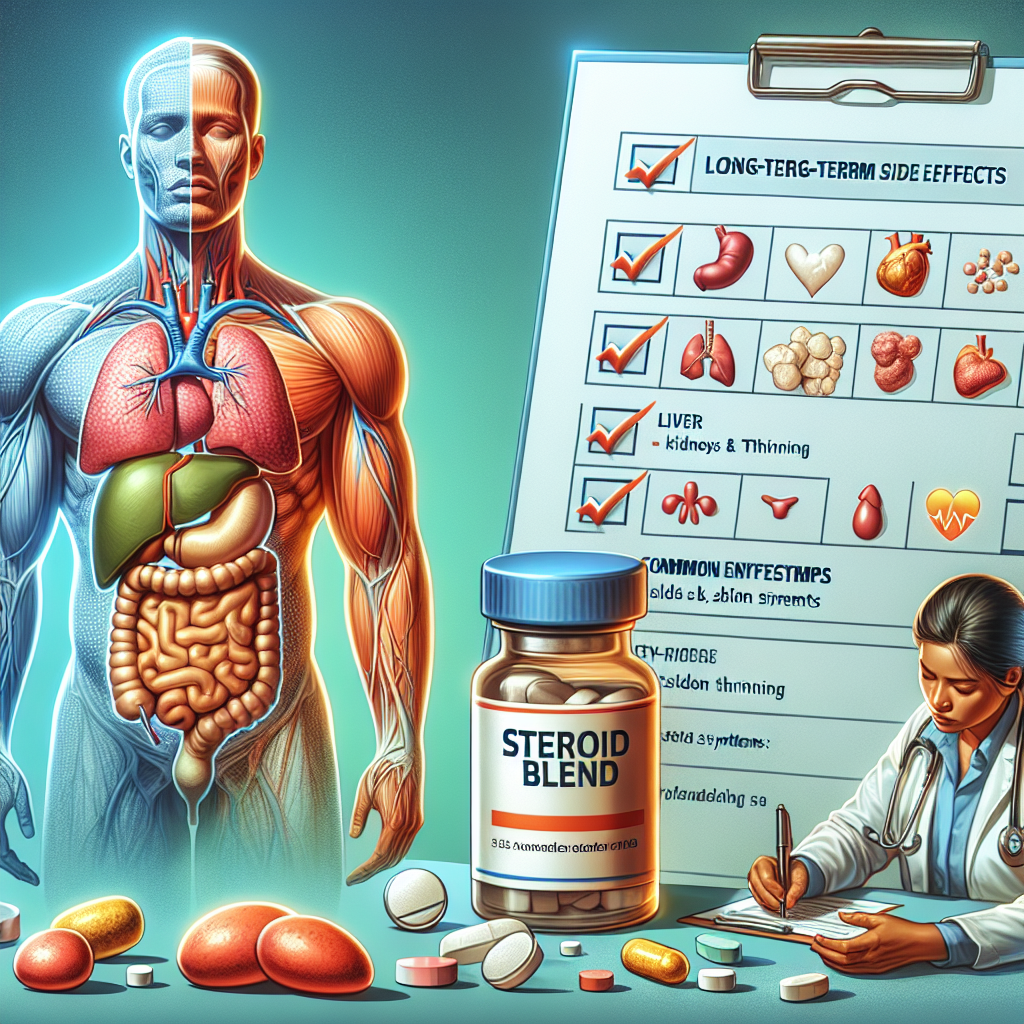
In addition to affecting the immune system, steroids can also have other side effects that can indirectly impact the immune system. For instance, steroids can cause liver damage, which can weaken the body’s ability to fight off infections. They can also increase the risk of developing cardiovascular diseases, which can have a negative impact on the immune system.
In conclusion, the use of steroids can have a significant impact on the immune system of athletes. From suppressing the production of natural hormones to disrupting sleep patterns, steroids can weaken the body’s ability to fight off infections and illnesses. This is a major concern for athletes, as a weakened immune system can not only affect their performance but also their overall health and well-being. Therefore, it is crucial for athletes to be aware of the potential risks associated with the use of steroids and to prioritize their health and well-being above any short-term gains in performance.
The Importance of Proper Monitoring and Management of Steroid Use for Muscle Growth in Athletes
Steroids have long been a controversial topic in the world of sports. While they are often used by athletes to enhance their performance and increase muscle mass, there are also serious health risks associated with their use. One of the most important aspects of using steroids for muscle growth is proper monitoring and management. This not only ensures the safety of the athlete, but also helps to maintain their overall health and well-being.
One of the key factors that must be considered when using steroids for muscle growth is the impact on sleep patterns. Steroids can disrupt the body’s natural sleep cycle, leading to insomnia and other sleep disorders. This can have a negative effect on the athlete’s performance, as sleep is crucial for muscle recovery and growth. It is important for athletes to work closely with their doctors and trainers to monitor their sleep patterns and make adjustments as needed.
In addition to sleep, steroids can also have a significant impact on the immune system. The use of steroids can suppress the body’s natural immune response, leaving athletes more susceptible to illness and infection. This is especially concerning for athletes who are constantly pushing their bodies to the limit and may already have weakened immune systems due to intense training. Proper monitoring and management of steroid use can help to minimize these risks and keep athletes healthy and performing at their best.
One of the most important aspects of proper monitoring and management of steroid use is regular blood work. This allows doctors to closely monitor the athlete’s hormone levels and make adjustments as needed. Steroids can have a significant impact on hormone levels, and it is important to ensure that they are within a safe and healthy range. Regular blood work also allows doctors to detect any potential health issues early on, before they become more serious.
Another important aspect of monitoring and managing steroid use is keeping track of any potential side effects. While steroids can have many benefits for muscle growth, they can also have negative side effects such as acne, hair loss, and mood swings. By closely monitoring these side effects, doctors can make adjustments to the dosage or type of steroid being used to minimize their impact. It is also important for athletes to communicate openly with their doctors about any side effects they may be experiencing, as early detection and management can prevent more serious health issues from arising.
Proper nutrition and hydration are also crucial when using steroids for muscle growth. Steroids can increase the body’s metabolism, leading to a higher demand for nutrients and water. Athletes must work closely with their trainers and nutritionists to ensure they are getting the proper amount of nutrients and staying hydrated. This not only helps to support muscle growth, but also helps to prevent potential side effects such as kidney damage.
In addition to physical health, it is also important to monitor the mental and emotional well-being of athletes using steroids. The use of steroids can have a significant impact on mood and behavior, leading to increased aggression and irritability. It is important for athletes to have a support system in place and to communicate openly with their doctors and trainers about any changes in their mental state. This can help to prevent potential conflicts and ensure the athlete’s overall well-being.
In conclusion, the proper monitoring and management of steroid use for muscle growth is crucial for the safety and well-being of athletes. This includes monitoring sleep patterns, hormone levels, side effects, nutrition, and mental health. By working closely with doctors, trainers, and nutritionists, athletes can safely and effectively use steroids to enhance their performance and achieve their goals. It is important for athletes to prioritize their health and well-being above all else, and proper monitoring and management of steroid use is a crucial aspect of this.
Q&A
1) Quels sont les effets du cours de stéroïdes sur le sommeil chez les sportifs ?
Les stéroïdes peuvent perturber le sommeil en augmentant l’excitation et en réduisant la production de mélatonine, l’hormone du sommeil. Cela peut entraîner des difficultés à s’endormir et à maintenir un sommeil de qualité.
2) Est-ce que le cours de stéroïdes peut affecter l’immunité des sportifs ?
Oui, les stéroïdes peuvent affaiblir le système immunitaire en supprimant la production de certaines cellules immunitaires et en augmentant le risque d’infections. Cela peut être particulièrement préoccupant pour les sportifs qui ont besoin d’un système immunitaire fort pour récupérer après un entraînement intense.
3) Y a-t-il des alternatives au cours de stéroïdes pour augmenter la masse musculaire sans affecter le sommeil et l’immunité ?
Oui, il existe des alternatives naturelles telles que l’entraînement en force, une alimentation équilibrée et des compléments alimentaires spécifiques pour la croissance musculaire. Il est important de consulter un professionnel de la santé avant de prendre des stéroïdes ou tout autre supplément pour augmenter la masse musculaire.