
-
Table of Contents
« Regulate your blood sugar levels with Comment Prohormon – the smart choice for a balanced and healthy lifestyle. »
Introduction
Prohormones are a type of supplement that are often used by athletes and bodybuilders to enhance their performance and muscle growth. However, one potential side effect of these supplements is their impact on blood sugar levels, also known as glycemia. In this article, we will explore how prohormones can affect glycemia and what precautions should be taken when using them.
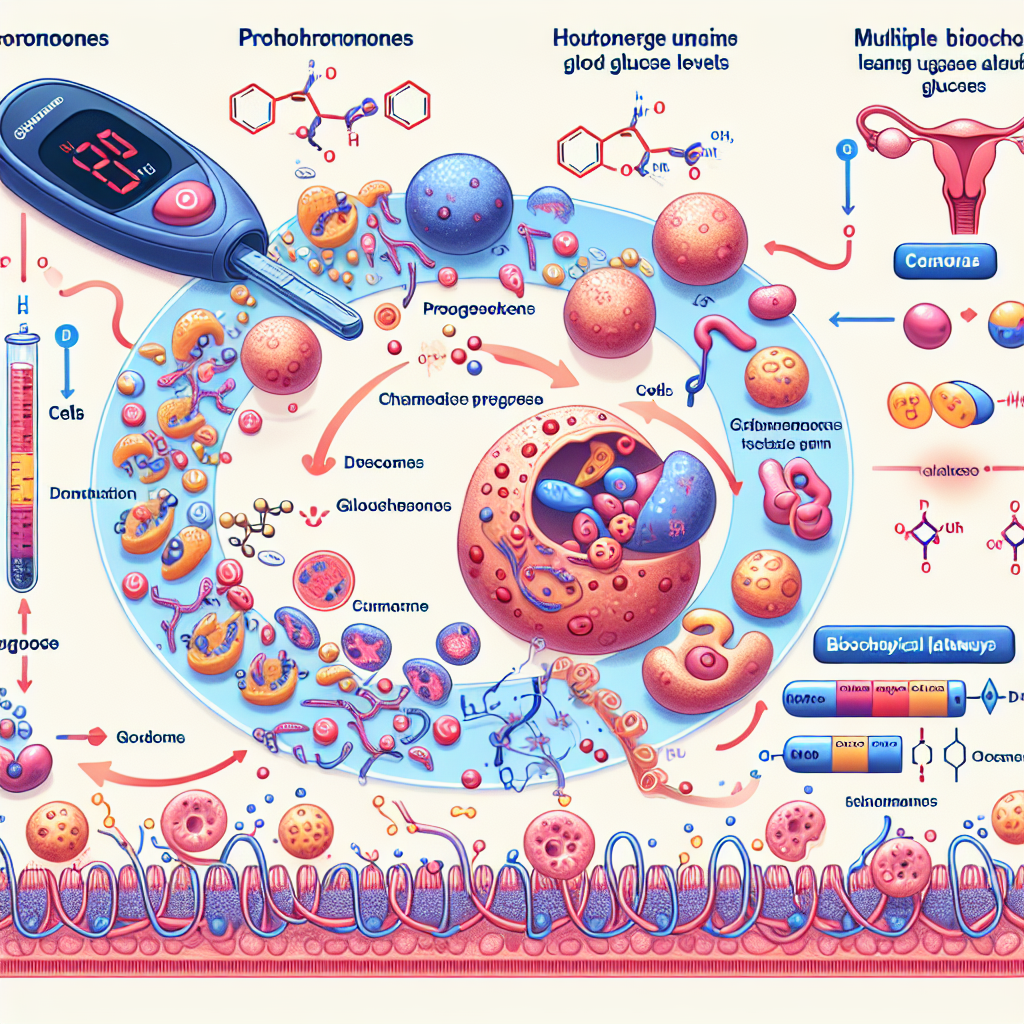
The Impact of Prohormones on Blood Sugar Levels: What You Need to Know
Prohormones have become increasingly popular in the fitness and bodybuilding world as a means to enhance muscle growth and performance. These supplements are often marketed as a safer alternative to anabolic steroids, but there is still much debate surrounding their effectiveness and potential side effects. One aspect that is often overlooked is the impact of prohormones on blood sugar levels. In this article, we will explore how prohormones affect glycemia and what you need to know before incorporating them into your fitness regimen.
Firstly, it is important to understand what prohormones are and how they work. Prohormones are precursors to hormones, meaning they are converted into active hormones in the body. They are often used as a means to increase testosterone levels, which can lead to improved muscle growth and strength. However, this increase in testosterone can also have an impact on blood sugar levels.
Testosterone is known to have an insulin-like effect on the body, meaning it can lower blood sugar levels. This is because testosterone stimulates the uptake of glucose into muscle cells, which can lead to a decrease in blood sugar levels. This effect is beneficial for individuals with diabetes, as it can help regulate their blood sugar levels. However, for those without diabetes, this can lead to hypoglycemia, or low blood sugar levels.
Hypoglycemia can cause a range of symptoms, including dizziness, confusion, and weakness. In severe cases, it can even lead to loss of consciousness. This is why it is important to monitor blood sugar levels when taking prohormones, especially if you are not diabetic. It is recommended to check your blood sugar levels before and after taking prohormones to ensure they are within a safe range.
Another factor to consider is the type of prohormone being used. Some prohormones, such as 1-androsterone, have been shown to have a more significant impact on blood sugar levels compared to others. This is because they have a higher affinity for the androgen receptor, leading to a more significant increase in testosterone levels. It is essential to research the specific prohormone you are considering and its potential effects on blood sugar levels.
In addition to the direct impact on blood sugar levels, prohormones can also indirectly affect glycemia. Many prohormones are known to cause water retention, which can lead to an increase in body weight. This increase in weight can also lead to an increase in insulin resistance, making it more challenging for the body to regulate blood sugar levels. This is especially concerning for individuals with pre-existing conditions such as diabetes or metabolic syndrome.
Furthermore, prohormones can also affect the body’s production of cortisol, a hormone that plays a crucial role in regulating blood sugar levels. Cortisol is known as the « stress hormone » and is released in response to physical or emotional stress. Prohormones can cause an increase in cortisol levels, which can lead to an increase in blood sugar levels. This is why it is essential to manage stress levels when taking prohormones and to monitor blood sugar levels closely.
In conclusion, prohormones can have a significant impact on blood sugar levels, both directly and indirectly. It is crucial to monitor blood sugar levels when taking prohormones, especially if you are not diabetic. It is also essential to research the specific prohormone you are considering and its potential effects on glycemia. Additionally, managing stress levels and maintaining a healthy diet and exercise routine can help mitigate any potential negative effects on blood sugar levels. As with any supplement, it is always best to consult with a healthcare professional before incorporating prohormones into your fitness regimen.
Understanding the Relationship Between Prohormones and Blood Glucose
Prohormones have become increasingly popular in the fitness and bodybuilding world as a way to enhance muscle growth and performance. However, there is a growing concern about the potential impact of prohormones on blood glucose levels. In this article, we will explore the relationship between prohormones and blood glucose and discuss the potential risks and benefits.
First, let’s define what prohormones are. Prohormones are precursors to hormones, meaning they are converted into hormones by the body. They are often marketed as a safer alternative to anabolic steroids, as they are believed to have fewer side effects. However, prohormones are still considered to be performance-enhancing substances and are banned by most sports organizations.
One of the main concerns about prohormones is their potential impact on blood glucose levels. Blood glucose, also known as blood sugar, is the main source of energy for the body’s cells. It is regulated by the hormone insulin, which is produced by the pancreas. When blood glucose levels are too high, insulin is released to help bring them back to normal. However, when blood glucose levels are consistently high, it can lead to a condition called hyperglycemia, which can have serious health consequences.
Some studies have shown that prohormones can affect blood glucose levels by increasing insulin resistance. Insulin resistance occurs when the body’s cells become less responsive to insulin, resulting in higher blood glucose levels. This can lead to the development of type 2 diabetes, a chronic condition in which the body is unable to properly regulate blood glucose levels.
In addition to insulin resistance, prohormones may also affect blood glucose levels by increasing the production of cortisol, a stress hormone. Cortisol is known to increase blood glucose levels by stimulating the liver to release glucose into the bloodstream. This can be problematic for individuals who are already at risk for developing diabetes or have a family history of the disease.
On the other hand, some studies have shown that prohormones may have a positive impact on blood glucose levels. One study found that a specific prohormone, 5-alpha-androstenedione, improved insulin sensitivity in overweight men. Insulin sensitivity refers to the body’s ability to respond to insulin and regulate blood glucose levels. This suggests that prohormones may have potential benefits for individuals with insulin resistance or type 2 diabetes.
It is important to note that the research on the relationship between prohormones and blood glucose levels is still limited and inconclusive. More studies are needed to fully understand the potential risks and benefits of prohormone use on blood glucose levels.
In addition to the potential impact on blood glucose levels, prohormones also carry other risks and side effects. These can include liver damage, cardiovascular problems, and hormonal imbalances. It is crucial to consult with a healthcare professional before using prohormones and to closely monitor blood glucose levels while taking them.
In conclusion, prohormones have the potential to affect blood glucose levels, both positively and negatively. While some studies have shown potential benefits for individuals with insulin resistance, there is also evidence that prohormones can increase insulin resistance and lead to hyperglycemia. It is important to carefully consider the potential risks and benefits before using prohormones and to closely monitor blood glucose levels while taking them. As always, it is best to consult with a healthcare professional before starting any new supplement or medication.
Managing Blood Sugar Levels While Using Prohormones: Tips and Strategies
Prohormones have become increasingly popular among bodybuilders and athletes looking to enhance their performance and achieve their fitness goals. These supplements are known for their ability to increase muscle mass, strength, and endurance. However, one aspect that is often overlooked when using prohormones is their effect on blood sugar levels.
Prohormones are synthetic compounds that are converted into hormones by the body. They work by mimicking the effects of natural hormones, such as testosterone, in the body. This leads to an increase in muscle growth and strength. However, these compounds can also have an impact on the body’s blood sugar levels.
One of the main ways prohormones affect blood sugar levels is by increasing insulin resistance. Insulin is a hormone that helps regulate blood sugar levels by allowing glucose to enter cells for energy. When insulin resistance occurs, the body’s cells become less responsive to insulin, leading to higher blood sugar levels. This can be problematic for individuals with diabetes or those at risk of developing the condition.
Another way prohormones can affect blood sugar levels is by increasing the production of cortisol. Cortisol is a stress hormone that is released in response to physical or emotional stress. It plays a role in regulating blood sugar levels by increasing the production of glucose in the liver. However, when cortisol levels are consistently elevated, it can lead to insulin resistance and higher blood sugar levels.
So, what can be done to manage blood sugar levels while using prohormones? The first step is to monitor your blood sugar levels regularly. This can be done through at-home testing kits or by visiting a healthcare professional. By keeping track of your blood sugar levels, you can identify any changes and take appropriate action.
It is also essential to maintain a healthy and balanced diet while using prohormones. This means consuming a variety of whole foods, including lean proteins, complex carbohydrates, and healthy fats. Avoiding processed and sugary foods can help prevent spikes in blood sugar levels.
In addition to diet, regular exercise is crucial for managing blood sugar levels while using prohormones. Exercise helps to improve insulin sensitivity, allowing the body to use insulin more effectively. It also helps to reduce stress levels, which can contribute to insulin resistance.
Supplementation can also play a role in managing blood sugar levels while using prohormones. Certain supplements, such as chromium and alpha-lipoic acid, have been shown to improve insulin sensitivity and regulate blood sugar levels. However, it is essential to consult with a healthcare professional before adding any supplements to your regimen.
Another strategy for managing blood sugar levels while using prohormones is to cycle your usage. This means taking breaks from using prohormones to allow your body to recover and regulate its hormone levels. Cycling can also help prevent insulin resistance and maintain healthy blood sugar levels.
It is also crucial to stay hydrated while using prohormones. Dehydration can lead to higher blood sugar levels, so it is essential to drink plenty of water throughout the day. Additionally, staying hydrated can help prevent muscle cramps and fatigue, which are common side effects of prohormone use.
In conclusion, prohormones can have an impact on blood sugar levels, and it is essential to take steps to manage them while using these supplements. Regular monitoring, a healthy diet, exercise, supplementation, cycling, and staying hydrated are all strategies that can help maintain healthy blood sugar levels. It is also crucial to consult with a healthcare professional before starting any new supplement regimen, especially if you have diabetes or other health conditions. By being mindful of your blood sugar levels and taking proactive steps, you can safely and effectively use prohormones to achieve your fitness goals.
Q&A
1) How does Comment Prohormon affect blood sugar levels?
Comment Prohormon can potentially affect blood sugar levels by increasing insulin resistance and decreasing glucose uptake in cells. This can lead to higher blood sugar levels and potentially contribute to the development of diabetes.
2) Are there any potential risks to blood sugar levels when taking Comment Prohormon?
Yes, there are potential risks to blood sugar levels when taking Comment Prohormon. As mentioned, it can increase insulin resistance and decrease glucose uptake, which can lead to higher blood sugar levels. It is important to monitor blood sugar levels closely while taking Comment Prohormon and consult with a healthcare professional if any concerning changes occur.
3) Can Comment Prohormon be safely taken by individuals with diabetes?
It is not recommended for individuals with diabetes to take Comment Prohormon without consulting with a healthcare professional first. As it can potentially affect blood sugar levels, it is important to carefully monitor and manage blood sugar levels while taking this supplement. A healthcare professional can provide personalized advice and guidance on whether Comment Prohormon is safe for an individual with diabetes to take.